Optimizing Your Air-to-Air Heat Pump Budget in 2026: Complete Guide to Maximizing Grants and Reducing Out-of-Pocket Costs

L'équipe Proclimo
5 Aug 2026 - 04 min read
The year 2026 marks a major economic turning point for homeowners looking to improve their thermal comfort. Long perceived as a costly investment primarily dedicated to summer cooling, the reversible air-to-air heat pump (HP) is now at the center of an aggressive fiscal and environmental strategy.
The historic shift in VAT from 20% to 5.5% for this equipment, coupled with the update of Energy Savings Certificates (CEE), has created an unprecedented financial window of opportunity. However, given the complexity of these schemes, many households miss out on substantial savings due to a lack of a rigorous optimization strategy during the quoting phase.
The New Financial Architecture of 2026
To optimize your budget, you must first understand that financing an air-to-air heat pump no longer relies on a single grant, but on the stacking of three distinct levers. A common mistake is to look only at the final total price without breaking down the reduction mechanisms.
1. The Fiscal Lever: 5.5% VAT
This is the flagship measure of summer 2026. By lowering the VAT rate, the state mechanically reduces the acquisition and installation cost. Unlike a grant requested after the work is done, the reduced VAT is applied immediately to the installer's invoice.
To be eligible, the installation must meet specific criteria: it must be carried out by a qualified professional and involve high-performance equipment. The simple term "air conditioning" on a quote can sometimes be confusing; it is crucial that the installer explicitly mentions "Reversible air-to-air heat pump" to secure the reduced rate.
2. The Incentive Lever: The 2026 CEE Scheme
Energy Savings Certificates (CEE) have been profoundly remodeled for 2026. The goal is to accelerate the phase-out of fossil fuel heating. Rates have been revised upward for air-to-air systems, recognizing their role in overall energy sobriety.
Depending on household income (Blue, Yellow, Violet categories), the grant can represent a significant portion of the budget. The novelty of 2026 lies in better coordination between the CEE grant and other local aids, allowing for smoother accumulation.
3. The Administrative Lever: Streamlined Procedures
Since March 2026, grant application procedures have been simplified. Reduced processing times and the complete digitization of files limit the risk of rejection due to formal errors, thereby securing the homeowner's financing plan.
Concrete Simulation: Impact on Out-of-Pocket Costs
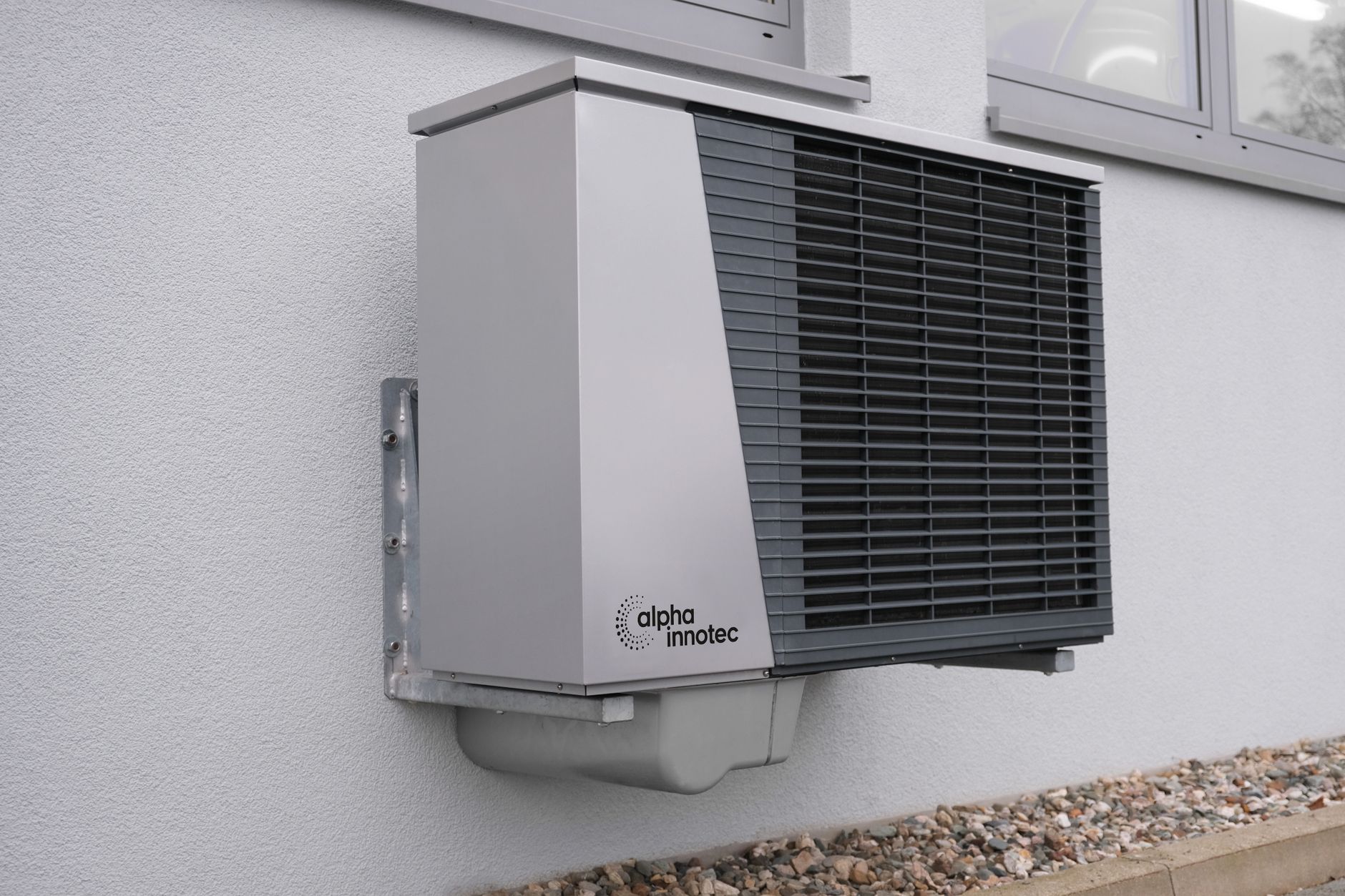
To understand how to optimize your budget, let's analyze the case of a homeowner installing a multisplit system (3 indoor units) for a 120 m² area.
| Expense Item | Standard Regime (20% VAT) | Optimized 2026 Strategy (5.5% VAT + CEE) |
|---|---|---|
| Equipment and Installation (excl. tax) | €7,000 | €7,000 |
| VAT Amount | €1,400 | €385 |
| Total Invoice (incl. tax) | €8,400 | €7,385 |
| CEE Grant (average estimate) | - €600 | - €1,200 |
| Final Out-of-Pocket Cost | €7,800 | €6,185 |
| Total Savings | - | €1,615 |
This table demonstrates that optimization is not about the price of the hardware (which remains stable), but about mastering the support mechanisms.
Strategies to Maximize Your Savings
Choosing the Right Time to Sign
Timing is crucial. With the implementation of new VAT directives in July 2026, demand has exploded. To optimize your budget, it is advisable to:
- Request quotes early in the year to take advantage of off-season installation slots (autumn/winter), when installers are more inclined to negotiate labor costs.
- Verify the effective date: Ensure that the quote signature date and the start of the work coincide with the reduced rate application period.
Equipment Choice: Performance vs. Price
It may be tempting to choose the cheapest equipment. However, this is a strategic error. High-efficiency equipment (high SCOP) can not only qualify for higher CEE grant brackets but, more importantly, reduce monthly electricity bills.
In 2026, prioritize systems using low-environmental-impact refrigerants (such as R-32 or R-290), as they are better valued by funding bodies and guarantee the longevity of the installation against F-Gas regulations.
Pitfalls to Avoid and Points of Vigilance
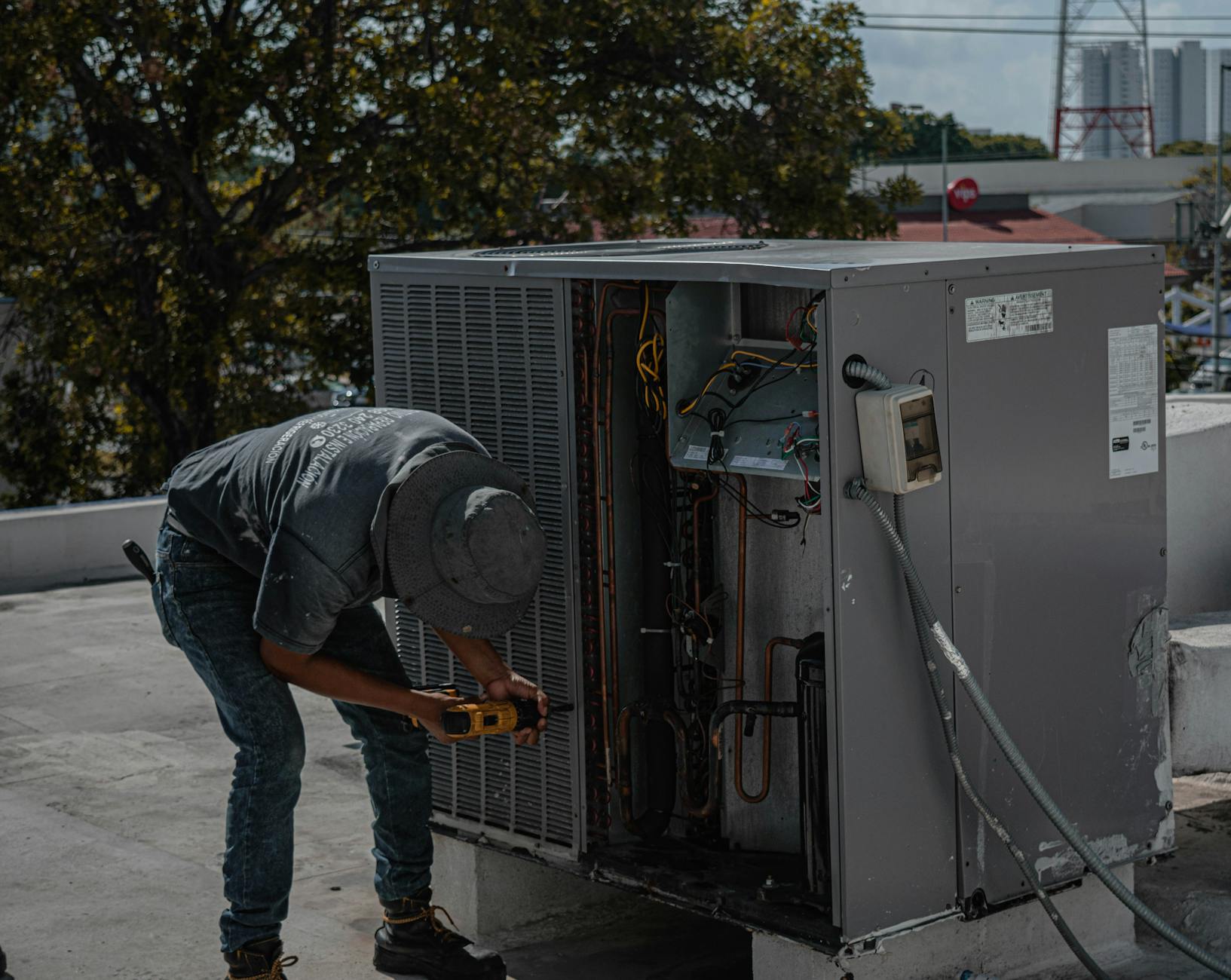
Budget optimization must not come at the expense of quality. Here are the essential points of vigilance to avoid turning an apparent saving into a future cost.
Vigilance on RGE Qualification
This is the non-negotiable point. To benefit from the 5.5% VAT and CEE grants, the installer must be RGE (Reconnu Garant de l'Environnement) certified. A quote from a non-qualified company will make all grants void, instantly increasing your out-of-pocket cost by several thousand euros.
Beware of Overly Attractive "All-Inclusive" Offers
Some companies offer "free" or "€1" installations by playing on the confusion regarding grants. Be extremely cautious:
- Verify that the 5.5% VAT is actually applied and not "compensated" by an inflated hardware price.
- Demand a precise breakdown of the CEE grant amounts and the identity of the organization paying them.
- Ensure that the maintenance contract is not hidden behind an initial discount.
Action Plan Summary for the Homeowner
To successfully install an air-to-air heat pump in 2026 with the lowest possible budget, follow this logical order:
- Needs Audit: Determine the necessary power to avoid oversizing (which costs more to buy and operate).
- RGE Sourcing: Select three RGE-certified installers and request detailed quotes.
- Fiscal Verification: Check that the mentioned VAT rate is indeed 5.5% and that the term "Air-to-air heat pump" is used.
- CEE Simulation: Use official simulators or ask the installer to justify the grant amount based on your income.
- Validation and Signature: Sign the quote once the combination (reduced VAT + CEE + any local grants) truly minimizes your out-of-pocket cost.

tip
Final Tip: Don't forget to check if your region or department offers complementary aid (such as local energy vouchers or departmental renovation grants). These aids are often stackable with the 5.5% VAT and CEE, sometimes bringing the out-of-pocket cost below €5,000 for a complete installation.
In conclusion, 2026 is the year of the democratization of the air-to-air heat pump. Thanks to the alignment of fiscal and environmental policies, the financial barrier has almost disappeared for those who know how to orchestrate their requests. Budget optimization is no longer an option; it is a fundamental step in your renovation project.
Need an air conditioning solution?