How to Optimize Your Budget for Air-to-Air Heat Pump Installation in 2026?

L'équipe Proclimo
5 Aug 2026 - 04 min read
The year 2026 marks a decisive turning point for thermal comfort in French homes. Long considered a luxury or a simple summer comfort feature, the reversible air-to-air heat pump (HP) is now fully integrated into energy transition strategies.
The alignment of several economic factors—notably the drastic reduction in VAT and the overhaul of Energy Savings Certificates (CEE)—makes the investment much more accessible. However, to turn these opportunities into real savings, a strategic approach to quotes and equipment selection is essential.
The Major Lever: The Impact of 5.5% VAT on Your Budget
This is undoubtedly the most concrete measure for homeowners' wallets. Since July 2026, the VAT rate applicable to the installation of air-to-air heat pumps has dropped from 20% to 5.5%.
This change transforms the nature of the operation: we are no longer talking about buying an "air conditioner," but about installing a "high-performance heating and cooling system." The savings achieved are not marginal; they often represent several hundred or even thousands of euros depending on the capacity of the installation.
Financial Comparison: Before and After the Reform
To illustrate the impact on a typical budget, let's analyze the installation of a multisplit system for an 80 m² apartment (one outdoor unit and two indoor units) with installation costs included.
| Expense Item | Old Regime (20% VAT) | New Regime (5.5% VAT) | Immediate Gain |
|---|---|---|---|
| Equipment (excl. tax) | €4,500 | €4,500 | - |
| Labor (excl. tax) | €1,200 | €1,200 | - |
| VAT Amount | €1,140 | €313.50 | €826.50 |
| Total (incl. tax) | €6,840 | €6,013.50 | €826.50 |

tip
Expert Tip: To benefit from this rate, the quote must be extremely precise. The installer must specify that the equipment is a "reversible air-to-air heat pump" and not simply "air conditioning." Mentioning the energy performance (SCOP/SEER) is also recommended to justify tax eligibility.
Combining Reduced VAT and the 2026 CEE Scheme
While VAT reduces the face value of the quote, Energy Savings Certificates (CEE) allow you to recover part of the investment after installation. In 2026, the scheme has evolved to encourage the move away from fossil fuels.
What are the conditions to maximize grants?
The amount of CEE grants varies according to your income (very modest, modest, or comfortable households) and the performance of the chosen machine. To optimize your budget, you should aim for three criteria:
- RGE Certification: The installation company must be RGE certified (Reconnu Garant de l'Environnement). Without this certification, no CEE grant will be paid.
- Energy Efficiency: The higher the SCOP (Seasonal Coefficient of Performance for heating), the more attractive the grant.
- Refrigerant Fluid: The use of low GWP (Global Warming Potential) fluids, such as R-290 (propane), is now prioritized and can unlock financial bonuses.
Stacking Strategy: The Winning Formula
The optimal plan to minimize out-of-pocket costs is to:
- Have a quick thermal audit performed to accurately size the heat pump (avoiding oversizing, which is expensive both to buy and operate).
- Sign a quote including the 5.5% VAT.
- Submit the CEE grant application before the work begins.
Equipment Choice: Initial Investment vs. Operating Cost
A classic mistake is choosing the cheapest equipment to reduce the immediate bill. However, an air-to-air heat pump is a 15-year investment. A saving of €200 at purchase can turn into a loss of €2,000 in electricity bills over the lifespan of the device.
The SEER/SCOP Ratio: The Key to Profitability
To optimize your budget in the long term, you must look beyond the total price.
- SEER (Seasonal Energy Efficiency Ratio): Indicates efficiency in cooling mode.
- SCOP (Seasonal Coefficient of Performance): Indicates efficiency in heating mode.
A device with a SCOP of 4.5 will consume much less energy to heat your home than an entry-level model with a SCOP of 3.2. With VAT at 5.5%, you now have the financial leeway to upgrade to "Premium" models without increasing your overall initial budget.

Pitfalls to Avoid and Points of Vigilance on Quotes
Given the surge in demand linked to the new 2026 incentives, some operators may be tempted to inflate pre-tax prices to "compensate" for the VAT drop. Stay vigilant.
Checkpoints when receiving a quote:
-
Ex-tax/Incl-tax Detail: Verify that the VAT reduction is actually applied to the final amount and not absorbed by an increase in equipment prices.
-
Installation Fee: Ensure that labor is included in the reduced 5.5% rate.
-
Commissioning: The quote must include official commissioning, vacuuming, and refrigerant charging, otherwise you risk losing the manufacturer's warranty.
-
Decennial Insurance: Demand the installer's up-to-date insurance certificate, specifically covering HVAC activities.
tip
Budget Tip: Don't hesitate to request two or three comparative quotes. In 2026, competition among RGE installers is strong, which may allow you to negotiate the pre-tax price before the reduced VAT is applied.
Summary: Action Plan to Optimize Your Installation in 2026
To summarize, here is the step-by-step process to minimize your costs:
- Target an RGE installer to guarantee access to grants.
- Demand high-performance equipment (R-290, high SEER) to maximize CEE grants and reduce future bills.
- Verify the strict application of 5.5% VAT on the entire quote (equipment and installation).
- Anticipate CEE administrative steps before the first drill hits the wall.
Installing an air-to-air heat pump is no longer just a response to heatwaves; it is a smart investment in the value of your real estate. By combining fiscal levers and direct aid, the "out-of-pocket" cost for the homeowner has never been lower since the launch of energy renovation policies in France.
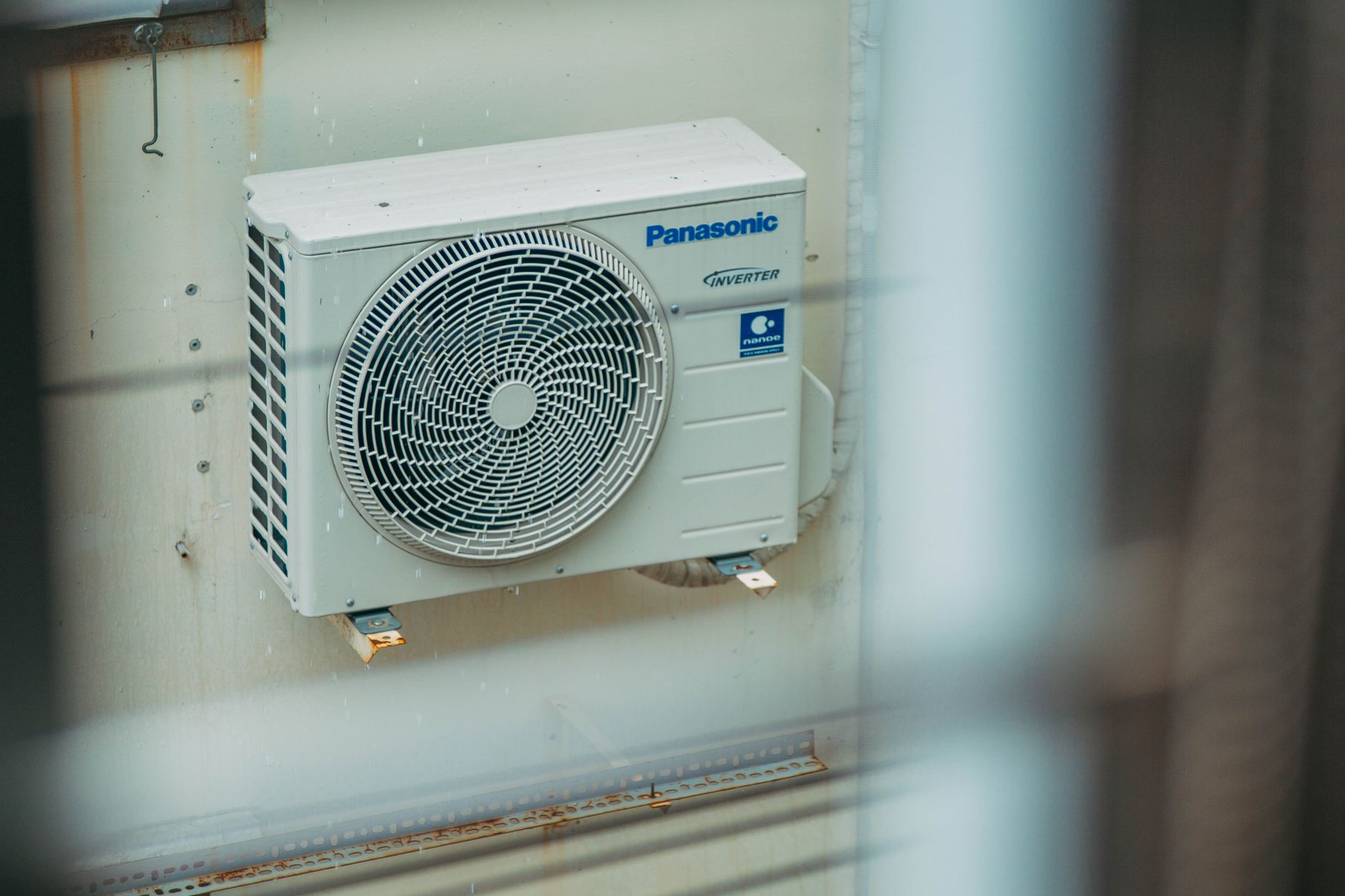
By following these steps, you transform a technical expense into an optimized investment, guaranteeing optimal thermal comfort while preserving your finances.
Need an air conditioning solution?