Optimizing Your Air-to-Air Heat Pump in 2026: How to Maximize Efficiency in Summer and Winter

L'équipe Proclimo
10 Aug 2026 - 04 min read
The year 2026 has seen an explosion in the installation of reversible air-to-air heat pumps (HPs), driven notably by the reduction of VAT to 5.5%. However, owning high-performance equipment is not enough to guarantee lower energy bills. The actual efficiency of a heat pump depends on a complex interaction between the device's technology, the home's configuration, and, above all, the occupant's usage habits.
Too often, users treat their air-to-air heat pump like a simple electric radiator or a conventional air conditioner, making control errors that degrade the COP (Coefficient of Performance) and increase electricity consumption. Optimizing your system means, first and foremost, understanding how the refrigerant transports calories to minimize the compressor's effort.
Mastering Thermal Control to Reduce Bills
The secret to an economical heat pump lies in stability. Unlike old heating systems, a heat pump is designed to maintain a constant temperature rather than rapidly heating a cold room.
The Golden Rule: Avoid Drastic Temperature Swings
The most common mistake is to turn off heating or cooling completely when leaving home, only to request a rapid temperature adjustment upon return (e.g., going from 12°C to 20°C in winter, or 28°C to 22°C in summer). This operating mode forces the compressor to run at maximum power, where its efficiency is at its lowest.
To optimize your consumption, prioritize a stable setpoint. In winter, a maximum difference of 2 or 3 degrees between "comfort" mode and "eco" mode is ideal. In summer, maintaining a constant temperature avoids electricity consumption peaks linked to the intensive startup of outdoor units during heatwaves.
The Importance of Mode Selection: Auto, Heat, and Cool
Most modern remotes offer an "Auto" mode. While appealing, this mode can prove counterproductive if poorly configured, as the device may alternate between heating and cooling to reach a precise setpoint, thereby consuming energy unnecessarily.
| Mode | Recommended Use | Impact on Efficiency |
|---|---|---|
| Heat | Winter / Mid-season | Optimal for COP |
| Cool | Summer / Heatwave | Optimal for SEER |
| Dry (Dehumidification) | Humid days / Rain | Increased comfort without excessive cooling |
| Auto | Seasonal transition | Risk of short-cycling if poorly set |
Technical Optimization: The Outdoor Unit, the Heart of the System
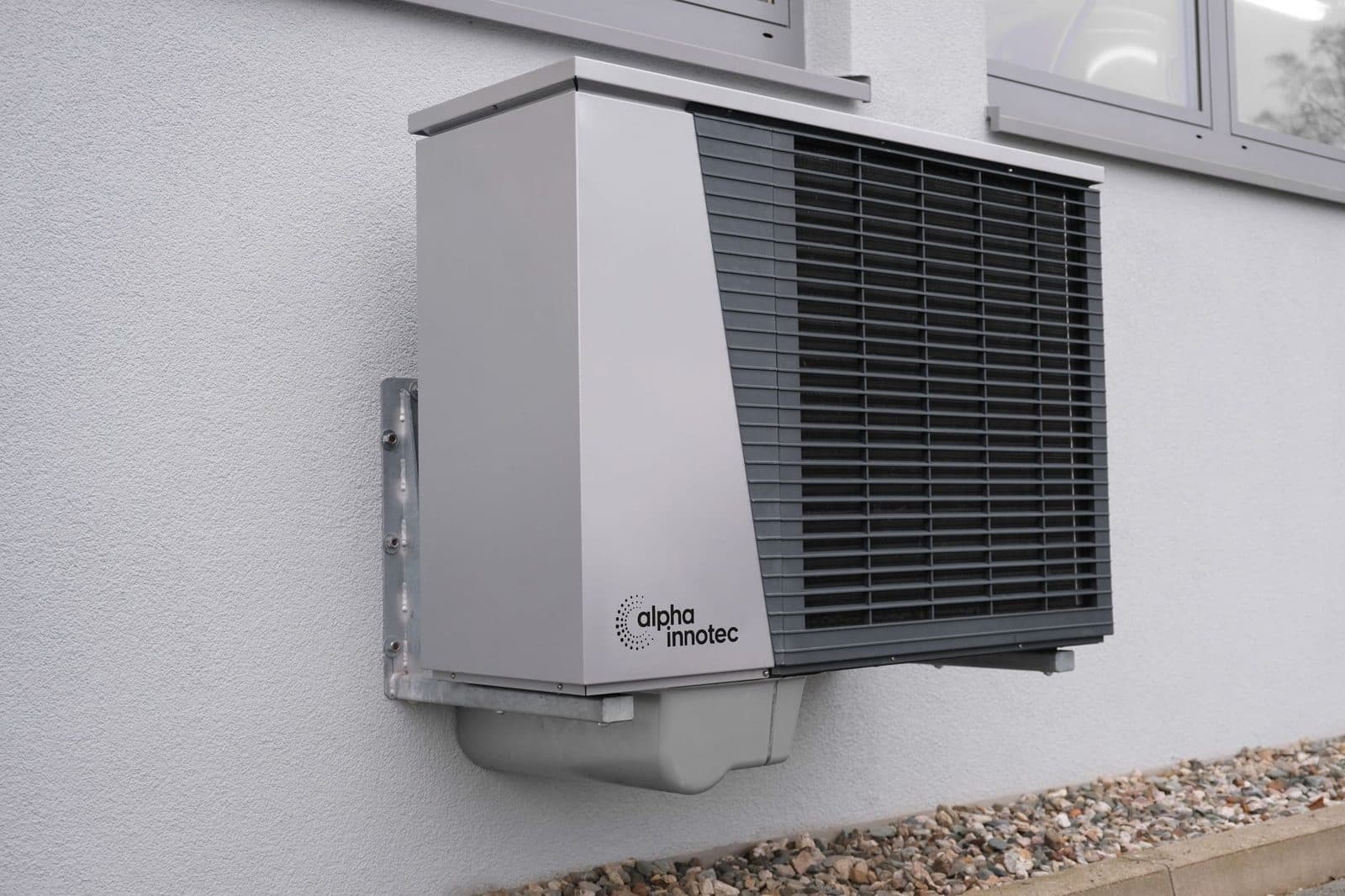
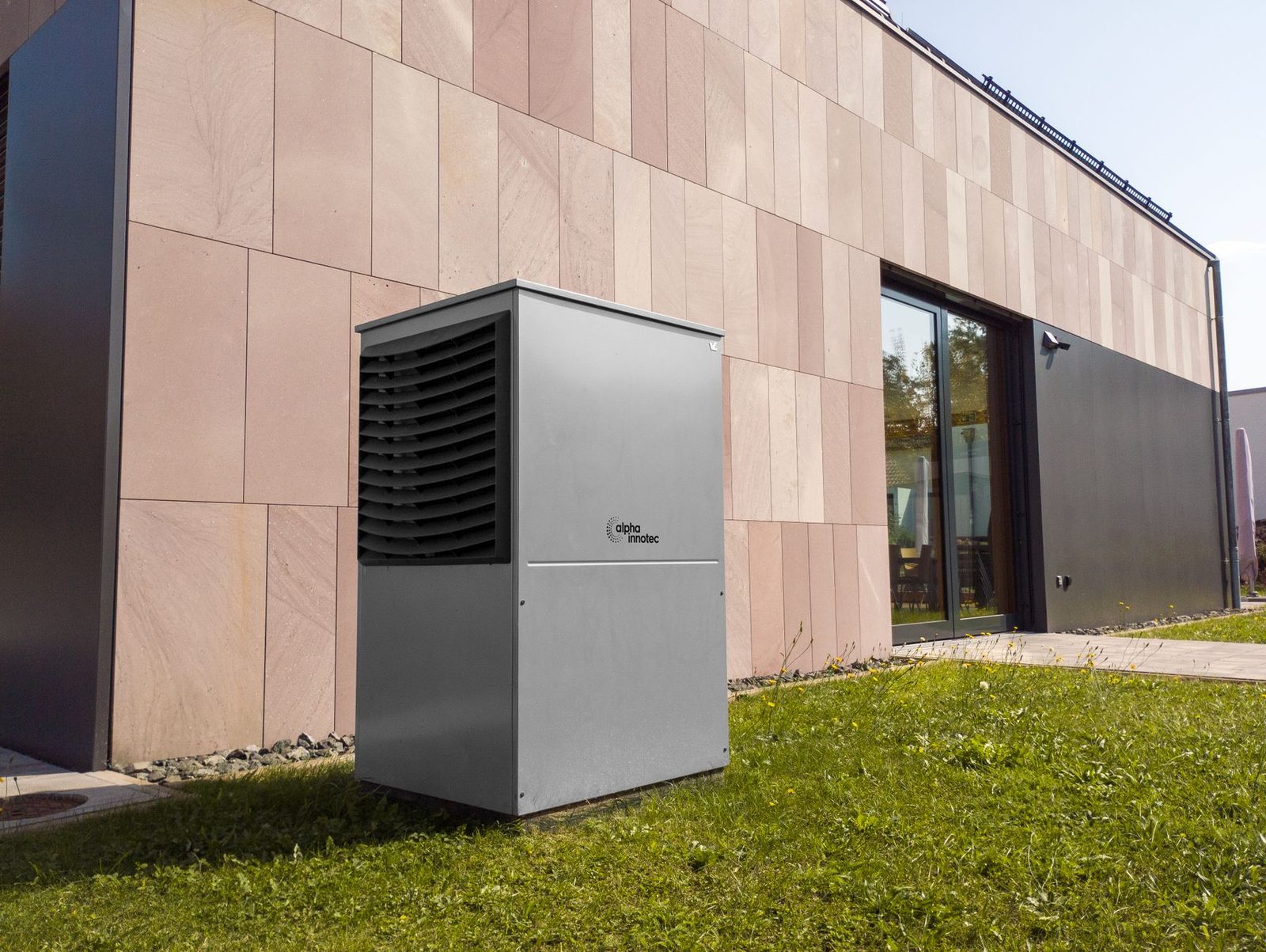
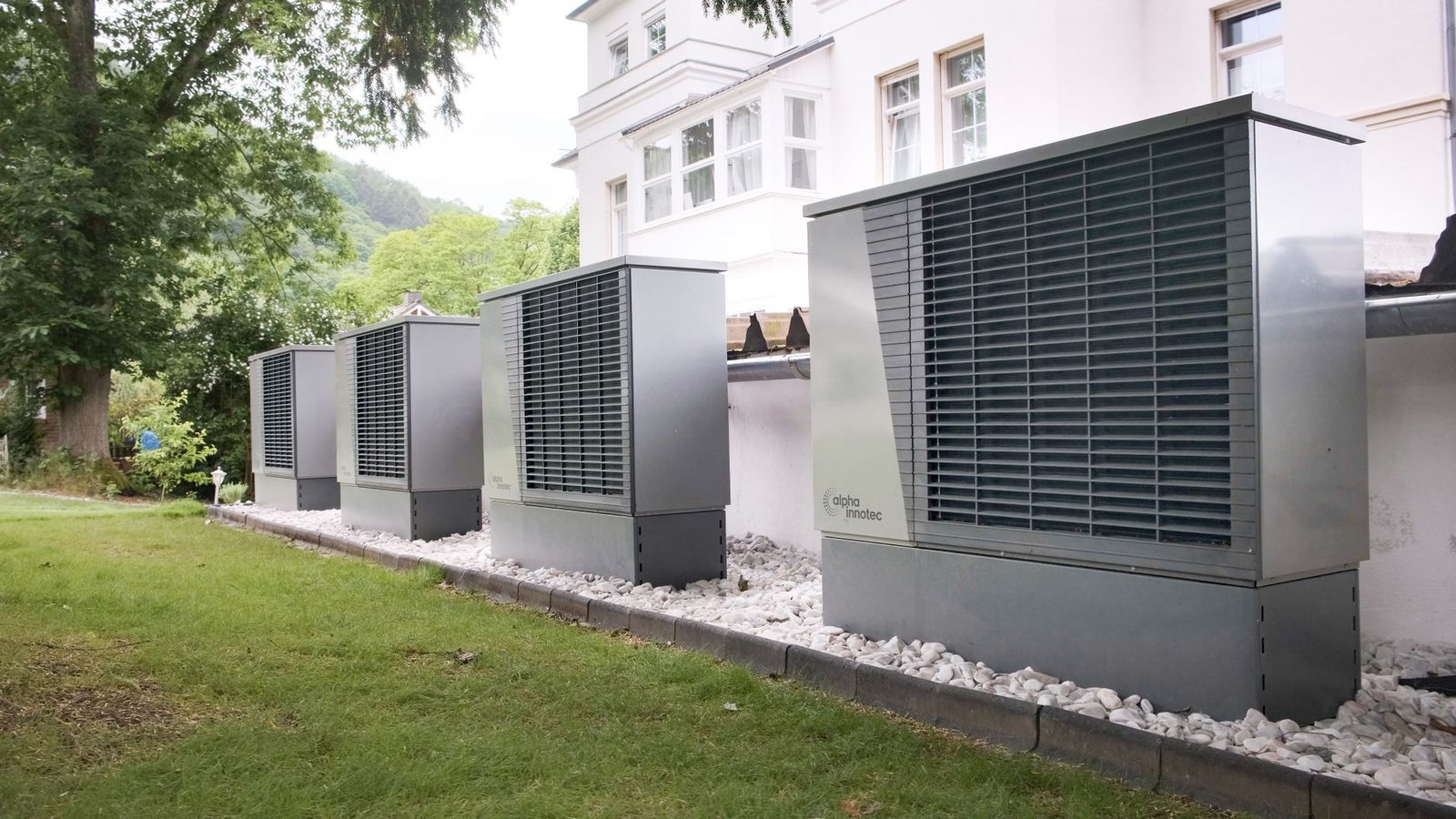
The efficiency of an air-to-air heat pump depends directly on its ability to exchange calories with the outdoor air. If the outdoor unit is obstructed or poorly positioned, the compressor must work harder, causing energy efficiency to plummet.
Clearing the Airflow
The outdoor unit must never be "suffocated." A minimum space of 30 to 50 cm must be maintained all around the device.
- Vegetation: Ensure that hedges or climbing plants do not obstruct the air outlet.
- Debris: In autumn, dead leaves can accumulate against the heat exchanger. A simple blast of air or light brushing helps maintain optimal airflow.
- Shading (in summer): If your outdoor unit is exposed to direct sunlight on a dark wall, it can overheat. Without covering it (which would block the air), installing a ventilated privacy screen can reduce the ambient temperature around the device and improve the SEER.
Frost Management in Winter
When temperatures drop, air humidity condenses and freezes on the outdoor evaporator. The heat pump then triggers a defrost cycle: it briefly reverses its cycle to heat the exchanger and melt the ice. This process consumes energy and momentarily interrupts indoor heating.
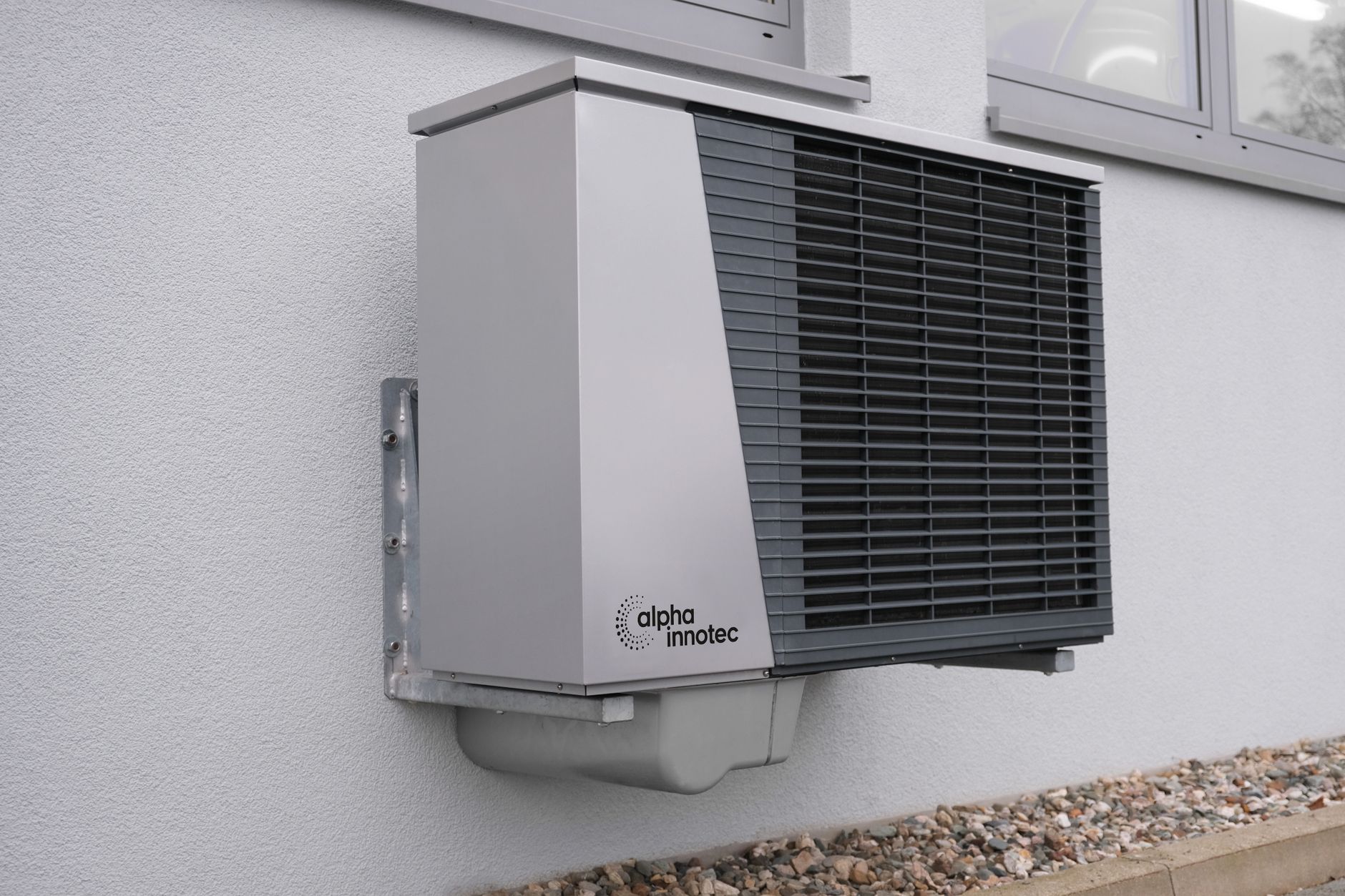
To limit these cycles, ensure the unit is installed on raised supports (big foots) to prevent snow or condensation water from stagnating at the base of the device, which would accelerate frost formation.
User Maintenance: The Forgotten Performance Lever
Annual professional maintenance is essential for warranty and safety (handling of refrigerants), but routine maintenance by the user is the primary factor in efficiency.
Filter Cleaning: An Immediate Impact
A clogged filter reduces the airflow passing through the indoor unit. The system must then increase fan speed and strain the compressor to reach the desired temperature.
tip
Expert Tip: Clean your air filters every 2 to 4 weeks during periods of intensive use (summer and winter). A simple vacuuming or rinse with lukewarm water is enough to restore optimal airflow and reduce electricity consumption by 5 to 10%.
Managing Indoor Airflow
The orientation of the louvers plays a crucial role in perceived comfort and energy efficiency:
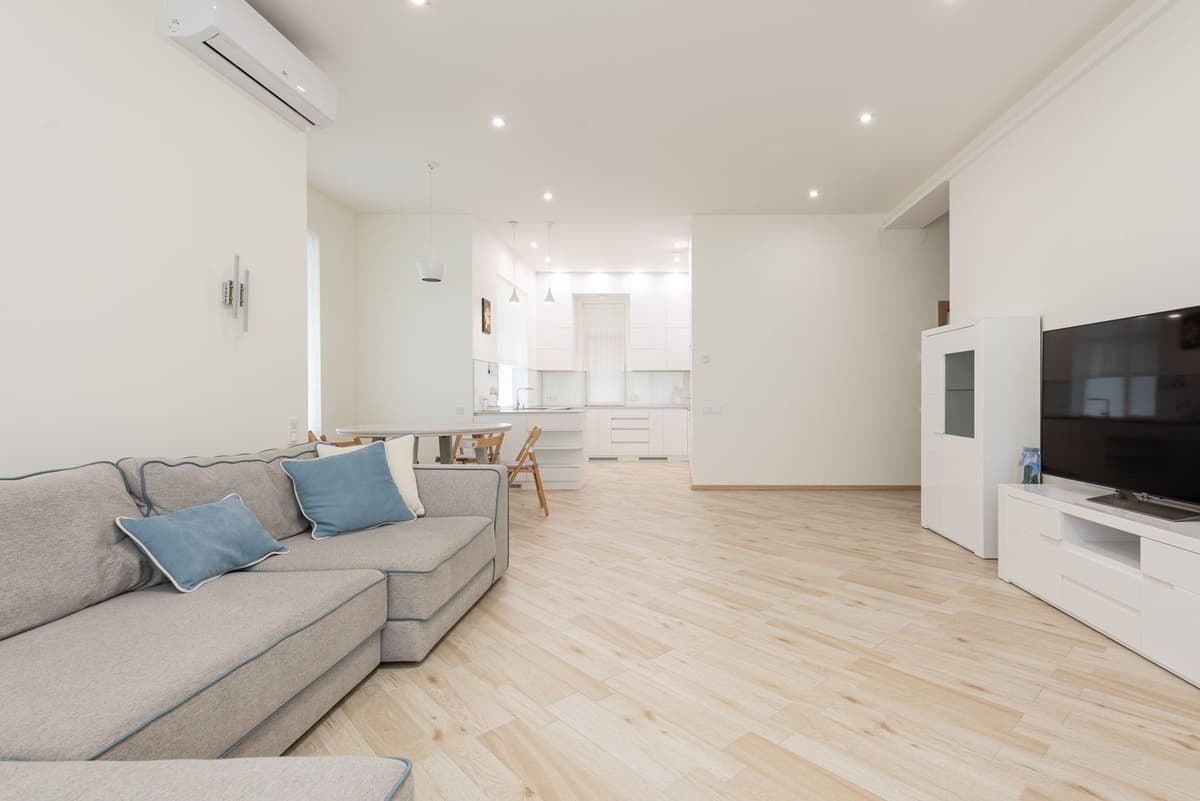
- In cool mode: Direct the airflow upward. Cold air, being denser, will naturally descend, creating thermal homogeneity without creating icy drafts on occupants.
- In heat mode: Direct the flow downward. Warm air rises; by projecting it toward the floor, you heat the entire volume of the room more quickly and uniformly.
Synergies: Air-to-Air HP and Home Insulation
A heat pump, even with an exceptional COP, can never compensate for a "thermal sieve" (poorly insulated home). In 2026, the approach must be systemic. Using an air-to-air heat pump is all the more profitable when heat loss is limited.
Complementary Actions
To maximize the effect of your installation, combine it with passive strategies:
- Shading Management: Close shutters or blinds as soon as the sun hits the windows in summer to avoid the greenhouse effect. In winter, open them to take advantage of free solar heating.
- Controlled Ventilation: Use your HRV/ERV system or air out your rooms during the coolest hours of the day (early morning or late evening) to renew the air without straining the heat pump.
- Sealing: Check the seals on your windows and doors. A cold draft in January forces your heat pump to work overtime, canceling out the benefits of its high performance.
Summary for Optimal Use in 2026
To summarize, the optimization of an air-to-air heat pump rests on three pillars: stable setpoints, an unobstructed outdoor unit, and clean filters.
Quick User Checklist
- Filters: Cleaned monthly?
- Outdoor Unit: Clear of all obstacles (leaves, plants)?
- Setpoints: Differences limited to 2-3°C between comfort and eco modes?
- Orientation: Airflow upward in summer, downward in winter?
- Maintenance: Professional service performed by a certified technician?
By following these recommendations, you are not just enjoying the thermal comfort provided by 2026's new technologies; you are ensuring the longevity of your equipment while minimizing your carbon footprint and energy expenses. The performance of a heat pump is not just read on the manufacturer's data sheet; it is built daily through reasoned use.
Need an air conditioning solution?