Forever Chemicals and Air Conditioning: What are the Risks for Your Equipment in 2026?

L'équipe Proclimo
11 Aug 2026 - 04 min read
The year 2026 marks a turning point for thermal comfort—not only in terms of taxes and regulations but also for the environment. As we become accustomed to the widespread use of heat pumps (HPs) to cope with repeated heatwaves, a new topic is emerging in public and technical debate: PFAS, or per- and polyfluoroalkyl substances, nicknamed "forever chemicals."
Long invisible to the general public, these chemical compounds are omnipresent in industry, particularly for their hydrophobic and oleophobic properties. In the HVAC (heating, ventilation, and air conditioning) sector, they are found in certain components and, above all, in the chemical composition of many refrigerants. The problem? Their nearly infinite persistence in the environment and their accumulation in the food chain and the human body.
Understanding the Link Between PFAS and Air Conditioning Systems
To understand why your air conditioner or heat pump might be affected, one must look at fluid chemistry. For decades, the industry has favored fluorinated gases for their thermodynamic efficiency and safety (lack of flammability).
Fluorinated Fluids: The Heart of the Problem
The majority of systems installed until recently use HFCs (hydrofluorocarbons). While these gases replaced CFCs (responsible for the hole in the ozone layer), they remain powerful greenhouse gases and, in some cases, their degradation produces substances assimilated to PFAS.
The life cycle of an air conditioning unit presents three major risk points:
- Manufacturing: The use of fluorinated polymers for seals and internal coatings.
- Operation: Slow leaks, inevitable over the long term, which release these substances into the atmosphere.
- End of Life: The treatment of fluids during decommissioning if it is not carried out by a certified professional.
The Impact of 2026 Regulations on Equipment Choice
Following alerts from health and environmental agencies, European regulations have tightened. The goal is clear: to gradually phase out persistent substances in favor of "green" solutions.
The Transition to Natural Refrigerants
The solution to getting rid of forever chemicals lies in returning to natural refrigerants. Unlike synthetic fluorinated gases, natural fluids have almost zero environmental impact and do not generate PFAS during decomposition.
| Fluid Type | Designation | PFAS / GWP Impact | Common Use in 2026 |
|---|---|---|---|
| Hydrocarbon | R-290 (Propane) | Very low / None | Modern air-to-air HPs and ACs |
| Carbon Dioxide | R-744 (CO2) | None | Industrial systems and high-temp HPs |
| Classic HFCs | R-410A / R-32 | High / Moderate | Old installations (phasing out) |
R-290 (propane) is now establishing itself as the benchmark for residential installations. Not only does it eliminate the issue of forever chemicals, but it also often offers superior energy efficiency, thereby reducing household electricity consumption.
How to Know if Your Installation is "At Risk"?
It is important not to panic: an installed air conditioner does not release PFAS directly into your living room air. The risk is environmental and systemic. However, for the homeowner concerned about their ecological footprint, certain indicators can help evaluate the impact of their equipment.
Check the Device's Technical Sheet
Consult your installation manual or ask your installer about the type of fluid used. If you see mentions like R-410A, you have a system using high-impact fluids. R-32 is an intermediate step—less harmful, but still fluorinated. R-290 represents the most sustainable option.
The Crucial Importance of Leak Testing
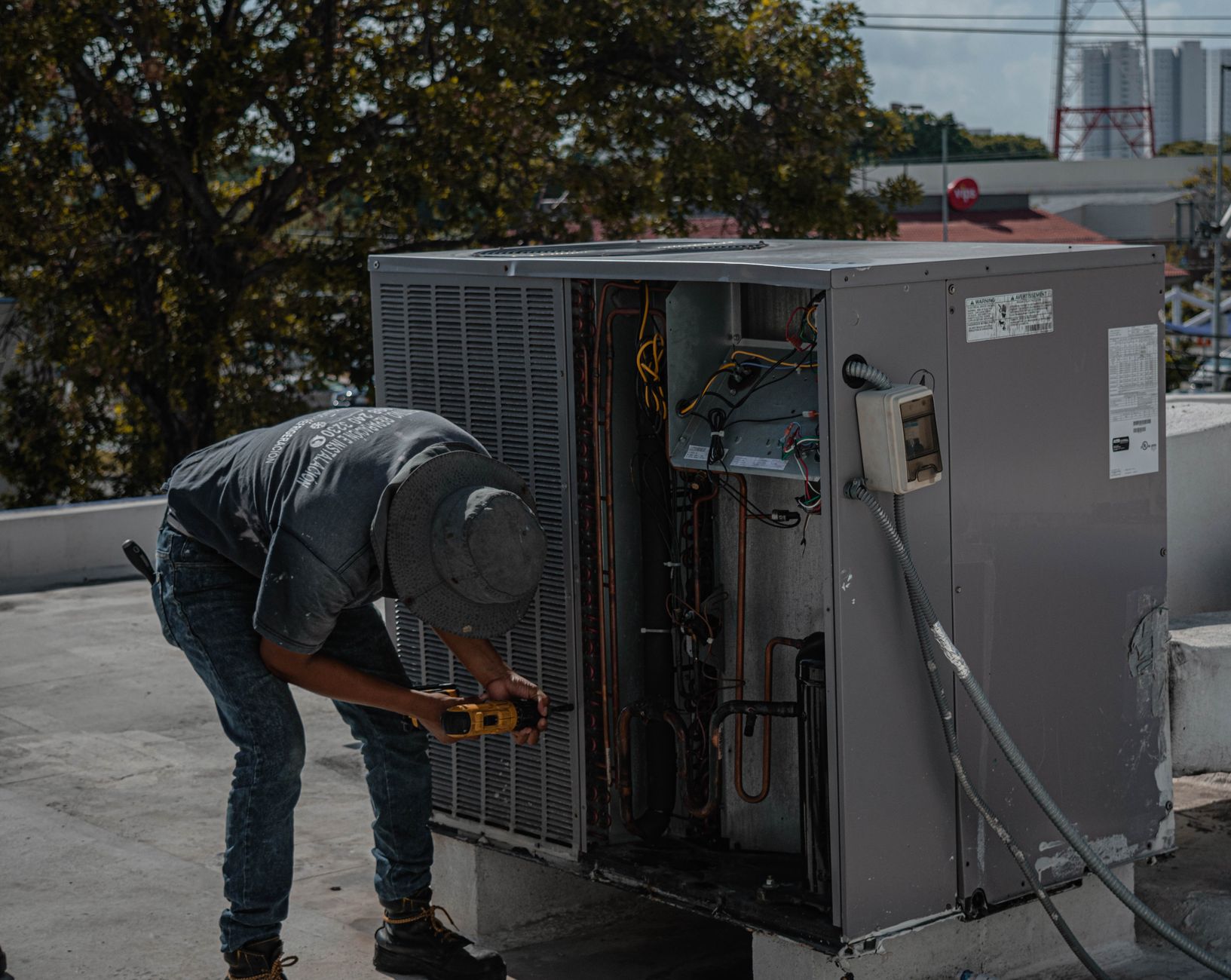
The risk of pollution is multiplied in the event of a leak. This is where the role of the refrigeration technician becomes essential. Regular leak testing, in accordance with current standards, prevents fluorinated fluids from escaping into the atmosphere.
Regulatory Reminder: Any handling of refrigerants must be performed by a professional holding a capacity certification. This is the only guarantee that the gas will be recovered and treated without polluting the environment.
Toward "Zero Pollution" Maintenance: Best Practices
To limit the impact of your heating and cooling equipment on global health and the environment, several habits should be adopted in 2026.
Prioritize Replacement Over Systematic Recharging
When an old installation leaks heavily, the temptation is to simply "top up the gas." However, if the device uses an obsolete and polluting fluid, it may be wiser—both economically and ecologically—to invest in a new heat pump using R-290.
With reduced VAT on air-to-air HPs and energy efficiency grants, the cost of replacement is now largely offset by energy savings and installation subsidies.
Demand Fluid Traceability
During a maintenance visit, ask your provider for an intervention report specifying the amount of fluid recovered and the treatment method. Reputable companies collaborate with approved treatment centers to destroy fluorinated fluids without leaving PFAS traces in nature.
Summary: Air Conditioning and the Environment in 2026
The challenge of forever chemicals forces us to rethink our relationship with thermal comfort. Air conditioning is no longer just a matter of degrees Celsius, but a matter of sustainable chemistry.
Key takeaways for your home:
- The Risk: PFAS are linked to synthetic fluorinated fluids and certain plastic components/seals.
- The Technical Solution: Switching to natural fluids such as R-290 (propane) or R-744 (CO2).
- Priority Action: Ensuring perfect sealing of your circuits to avoid any environmental leaks.
- Buying Choice: Prioritize "low GWP" certified equipment or those using natural fluids when renewing your hardware.
By choosing respectful technologies, you not only protect your immediate comfort during heatwaves, but you also actively participate in reducing the chemical burden on ecosystems. The thermal comfort of tomorrow will be sustainable, or it will not be.
Need an air conditioning solution?