Where to Install Your Heat Pump or AC Outdoor Unit? 2026 Guide and Regulations

L'équipe Proclimo
13 Aug 2026 - 04 min read
Installing an air-to-air heat pump (HP) or a reversible air conditioning system is often seen as a simple technical formality. However, a strategic error when choosing the location of the outdoor unit can turn a profitable investment into a daily headache. Between decreased energy efficiency, neighbor complaints regarding noise pollution, and regulatory constraints, the positioning of the outdoor group is the most critical step of your project.
In 2026, with the widespread adoption of more eco-friendly refrigerants and rising summer temperatures, optimizing airflow around your machine is no longer just a matter of comfort, but a necessity to extend the lifespan of your equipment and reduce your electricity bills.
Technical Criteria for Maximum Efficiency
The outdoor unit has a simple but vital mission: to exchange calories with the ambient air. If this exchange is hindered, the compressor must work harder, consuming more energy for less result. This is what is known as efficiency loss.
The Importance of Air Circulation
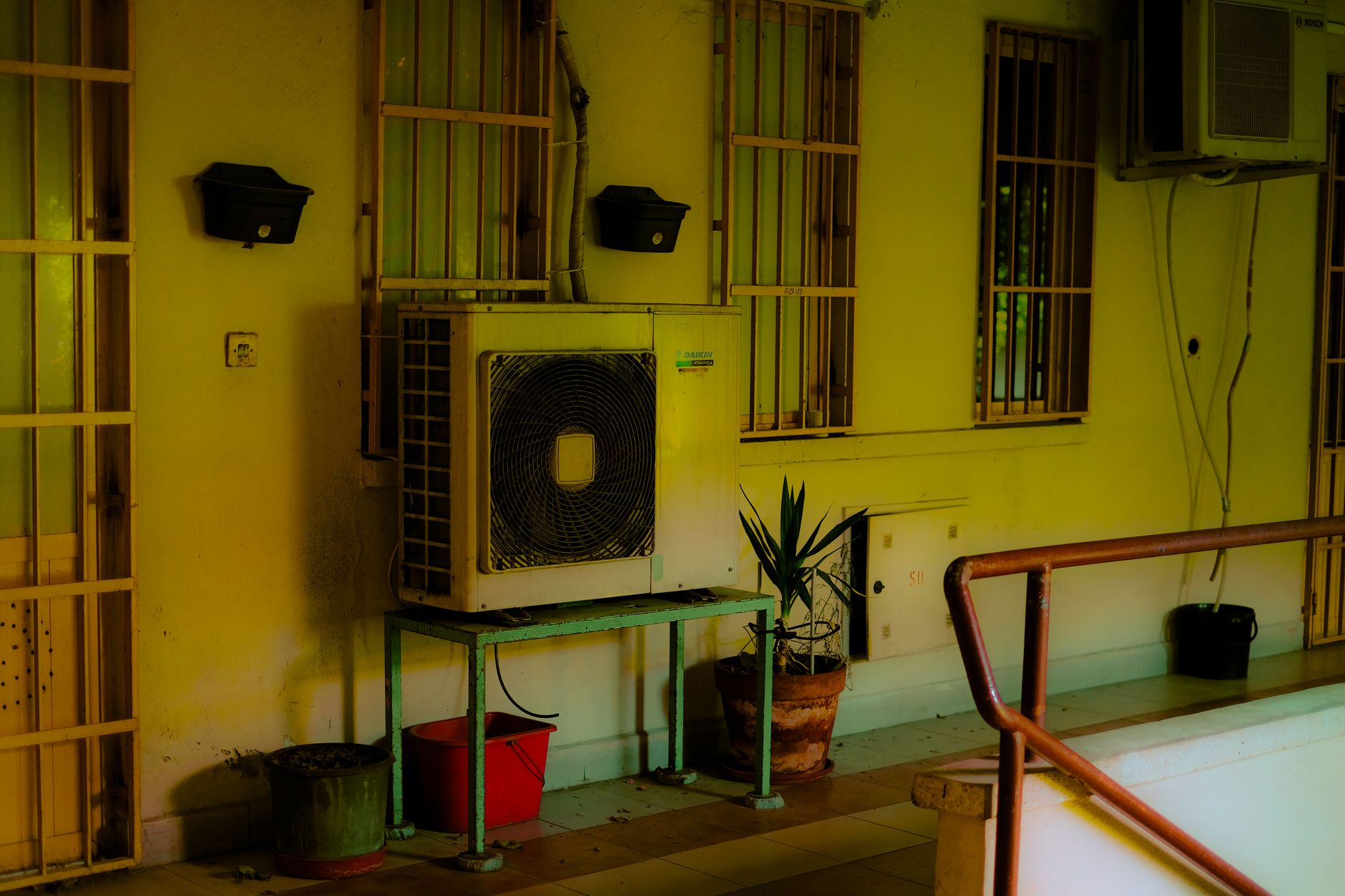
The outdoor group must never be "suffocated." Installing a unit in a recess that is too narrow or against a wall without sufficient space creates an air recycling phenomenon: the machine sucks in the air it has just rejected. In summer, it rejects hot air; if this air returns to it, the operating temperature spikes, and the system may trigger a safety shutdown.
It is recommended to leave a clear space of at least 30 to 50 cm behind the unit and more than one meter in front of the ventilation grille. To protect the equipment from dead leaves or debris, using a robust support is essential. For those wishing to keep their installation clean without damaging the fins, using an air conditioner cleaning kit can be very useful during seasonal maintenance.
Exposure to Sun and Wind
Contrary to popular belief, placing your outdoor unit in full sun during the summer is counterproductive. When the outdoor temperature reaches 35°C and the sun beats directly on the metal chassis, the actual temperature around the exchanger can rise much higher, forcing the HP to consume more to cool the interior.
The ideal is a North or East exposure, or the installation of a light privacy screen that lets air through while creating a shaded area. However, be mindful of prevailing winds: a unit exposed to violent and direct winds may see its performance drop in winter, as the intense cold literally "freezes" the exchanger, increasing the frequency of defrost cycles.
Regulations and Neighbors: Avoiding Disputes
This is where problems most often arise. A heat pump, even a modern one, produces a constant noise (fan hum and compressor vibrations). In 2026, residents' sensitivity to noise pollution has increased, and the legal framework is strict.
Managing Noise Pollution
Public health codes and prefectural decrees regulate neighborhood noise. Even if your device meets manufacturer standards, resonance can amplify the noise if the unit is fixed directly to a party wall or a concrete balcony.
To limit the impact, two solutions are recommended:
- Anti-vibration pads: These rubber supports absorb vibrations before they propagate through the building's structure.
- Distance: Place the unit as far as possible from bedroom windows, patios, or neighbors' terraces.
Zoning and Co-ownership
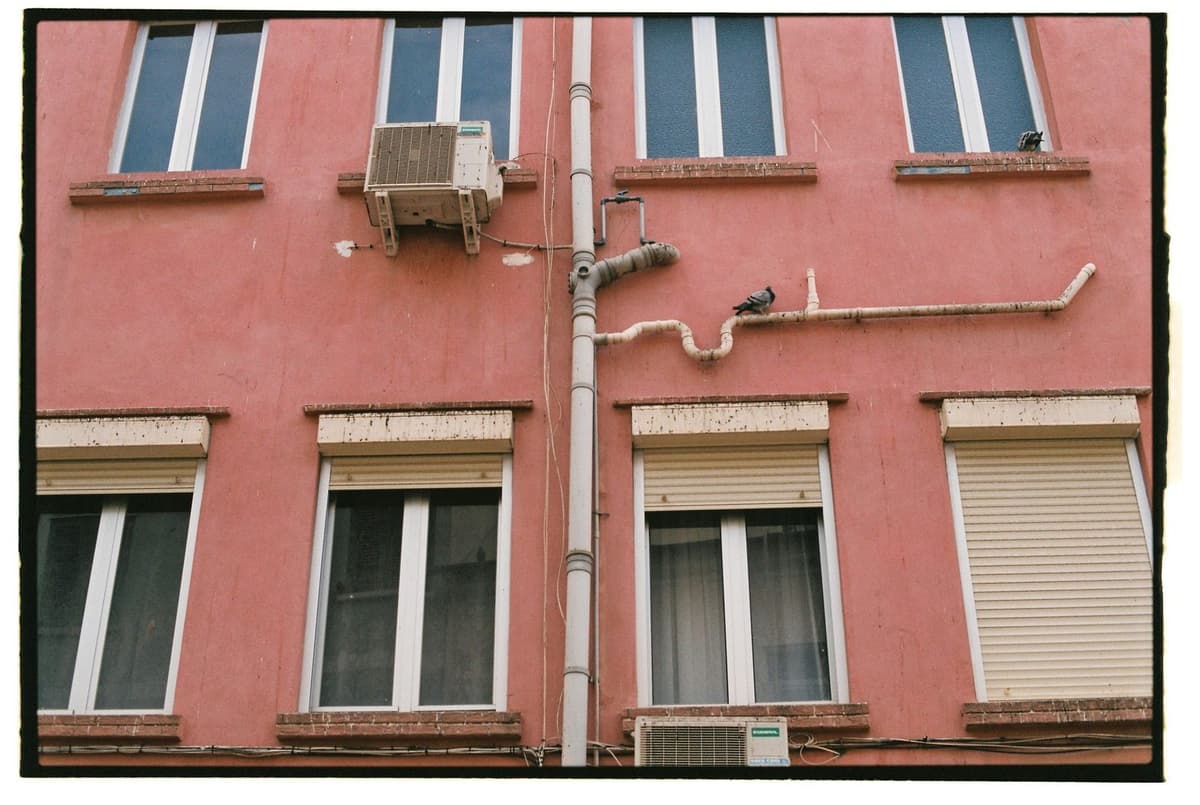
The installation of an outdoor unit modifies the external appearance of the building. Depending on your municipality's Local Urban Plan (PLU), a prior declaration of work (DP) may be required, even for a simple air conditioner.
In co-ownerships (condos), the rules are even stricter. Installation on a facade or balcony generally requires the approval of the general assembly. To facilitate acceptance, it is advisable to propose an aesthetic casing, while ensuring that it does not block ventilation. To precisely measure the noise impact before and after installation, a portable digital sound level meter can help prove that the installation respects legal thresholds.
Technical Installation: Mistakes to Avoid
Positioning is not only about the exterior but also the connection to the indoor unit. The shorter the distance between the two blocks, the less pressure drop there is, and the less refrigerant the installer will need to add.
Slope and Condensate Drainage
One of the most frequent problems is the poor management of condensates (the water that flows during cooling). The outdoor unit also produces water in heating mode (defrosting).
If the unit is placed on the ground without planned drainage, water can stagnate, create moss, or worse, seep into the wall foundations. It is imperative to provide a natural slope for drainage or install a lift pump if the terrain does not allow it. A simple HP condensate collection tray can be installed under the group to direct the flow toward a drain.
Support Stability
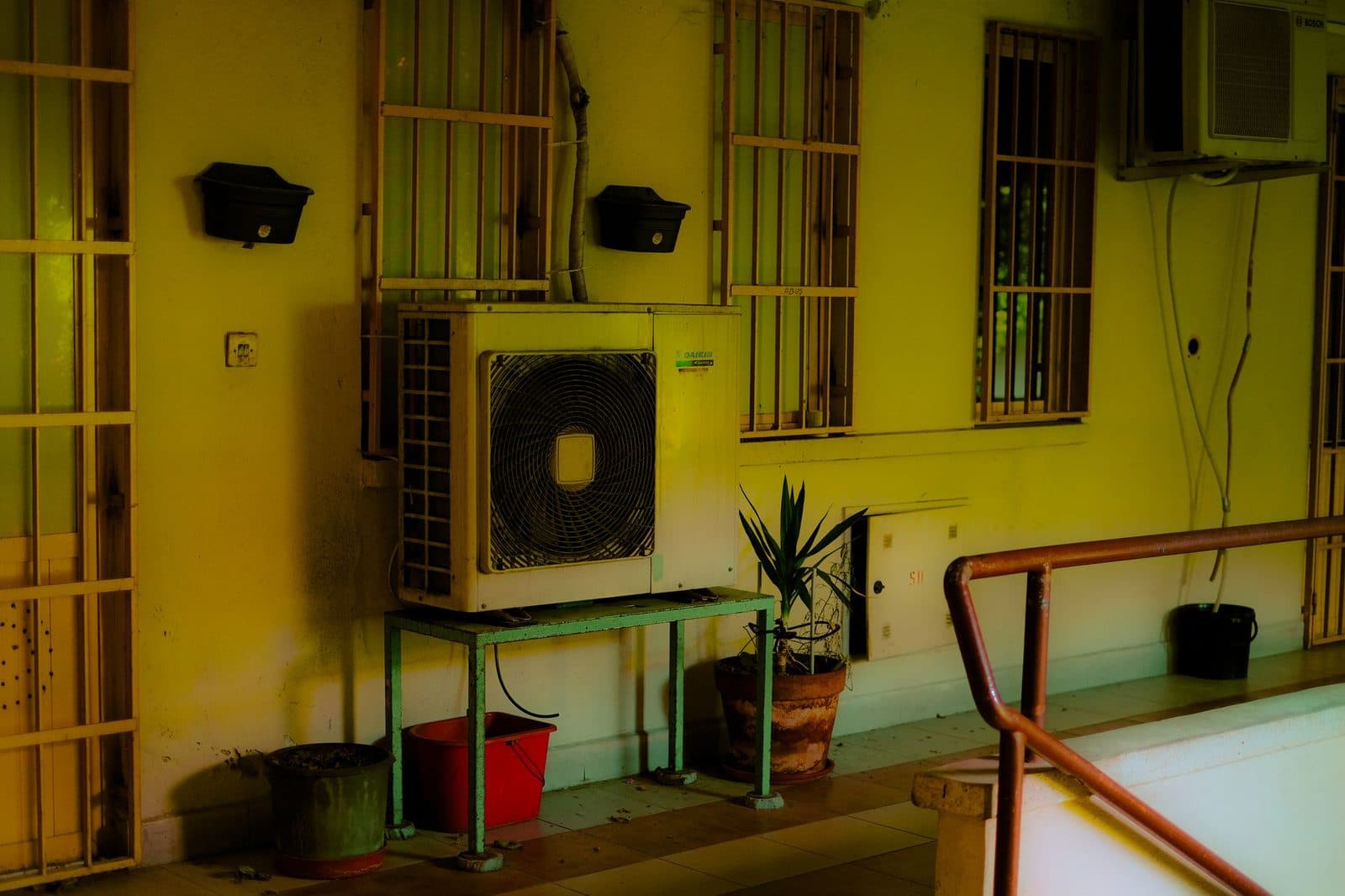
Whether placed on a concrete slab or suspended on wall supports, the unit must be perfectly stable. A machine that vibrates is a machine that wears out prematurely and makes noise. The support must be sized to hold the weight of the unit (often between 30 and 80 kg) while resisting weather conditions.
Summary for an Optimal Choice
To help you decide, here is a summary table of the best and worst practices:
| Criterion | Recommended ✅ | To Avoid ❌ |
|---|---|---|
| Exposure | Relative shade, North or East | Full sun, scorching South |
| Ventilation | Clear space (1m in front) | Narrow nook, closed cupboard |
| Noise | Anti-vibration pads, far from neighbors | Direct fixation on party wall |
| Ground | Stable concrete slab or NF wall support | Direct placement on soil or grass |
| Drainage | Planned drain or natural slope | Free flow against the wall |
Conclusion: The Importance of the Initial Diagnosis
The location of your outdoor unit is the meeting point between physics (thermodynamics), law (zoning), and diplomacy (neighbors). A poor choice can lead to an invisible but real increase in electricity consumption or a costly legal dispute.
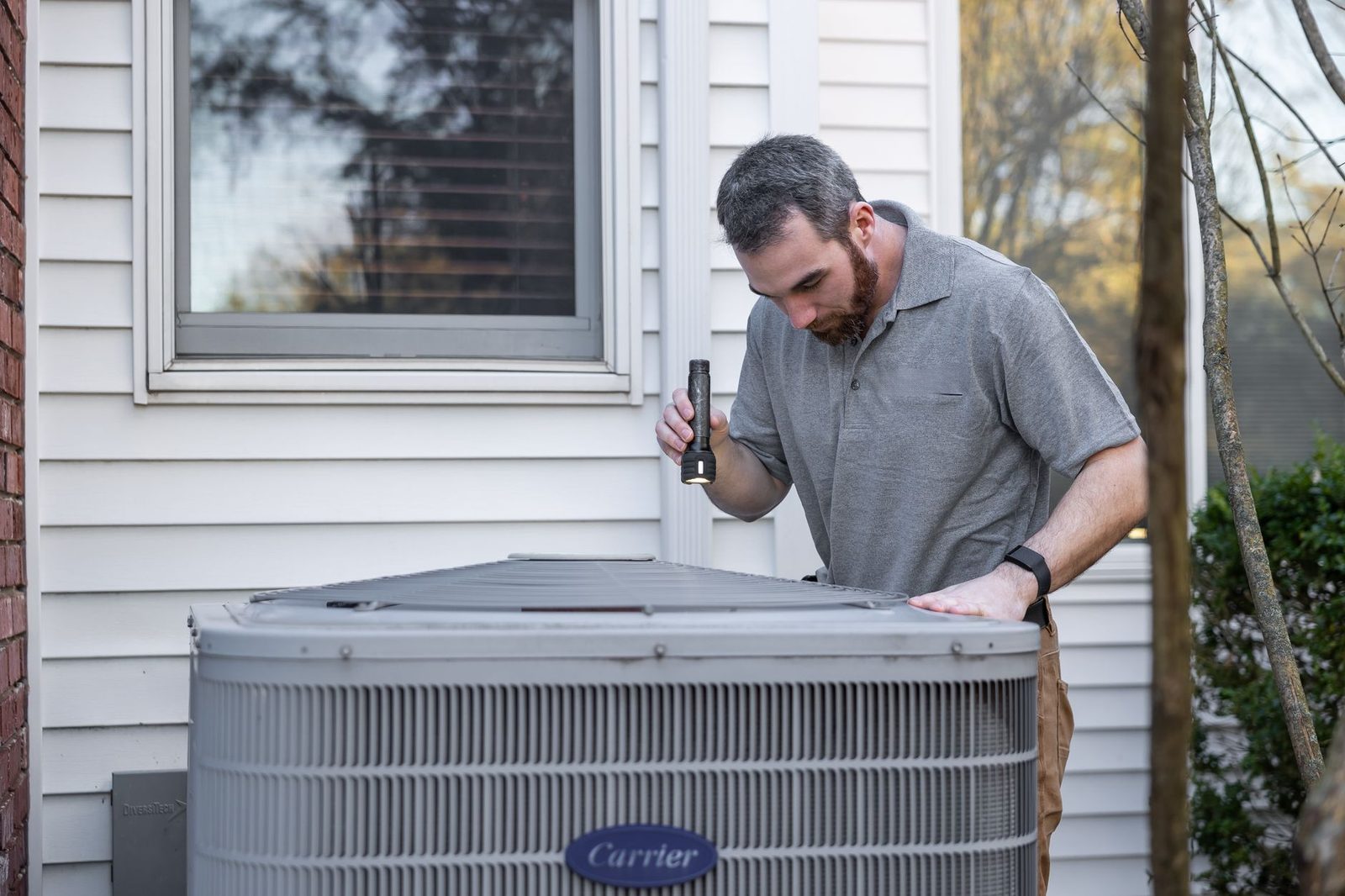
This is why it is essential to call upon an RGE-certified professional. They will not simply place the machine where it is "easiest" for them, but will analyze the airflow and acoustic resonances of your home. In 2026, with ever more efficient equipment, the precision of the installation will make the difference in your final energy bill.
Need an air conditioning solution?