Installing Air Conditioning in a Co-owned Building: Rules, Permits, and Pitfalls to Avoid in 2026

L'équipe Proclimo
14 Aug 2026 - 04 min read
The summer of 2026 confirms a major trend: air conditioning is no longer a luxury, but a necessity to maintain a livable environment in the face of more frequent heatwaves. However, for homeowners living in apartments, the path to cooling is often blocked by a major obstacle: the co-ownership regulations.
Installing a split system or an air-to-air heat pump is not just about choosing a high-performance model and a qualified refrigeration technician. It is, above all, a matter of law and neighborly relations. Between modifying the exterior appearance of the building and managing noise pollution, the rules are strict, and failure to comply can lead to an obligation for immediate removal of the equipment, even after installation.
The Co-ownership Regulations: Your First Read
Before requesting any quotes, your first reflex should be to consult the co-ownership regulations. This document, which serves as evidence in court, may contain specific clauses regarding technical installations on balconies or facades.
Some regulations formally prohibit any modification to the exterior appearance of the building. In this case, the installation of a visible outdoor unit is, in principle, forbidden. Others are more flexible and allow equipment provided it is concealed or complies with a specific aesthetic charter.

General Assembly (GA) Authorization: The Indispensable Step
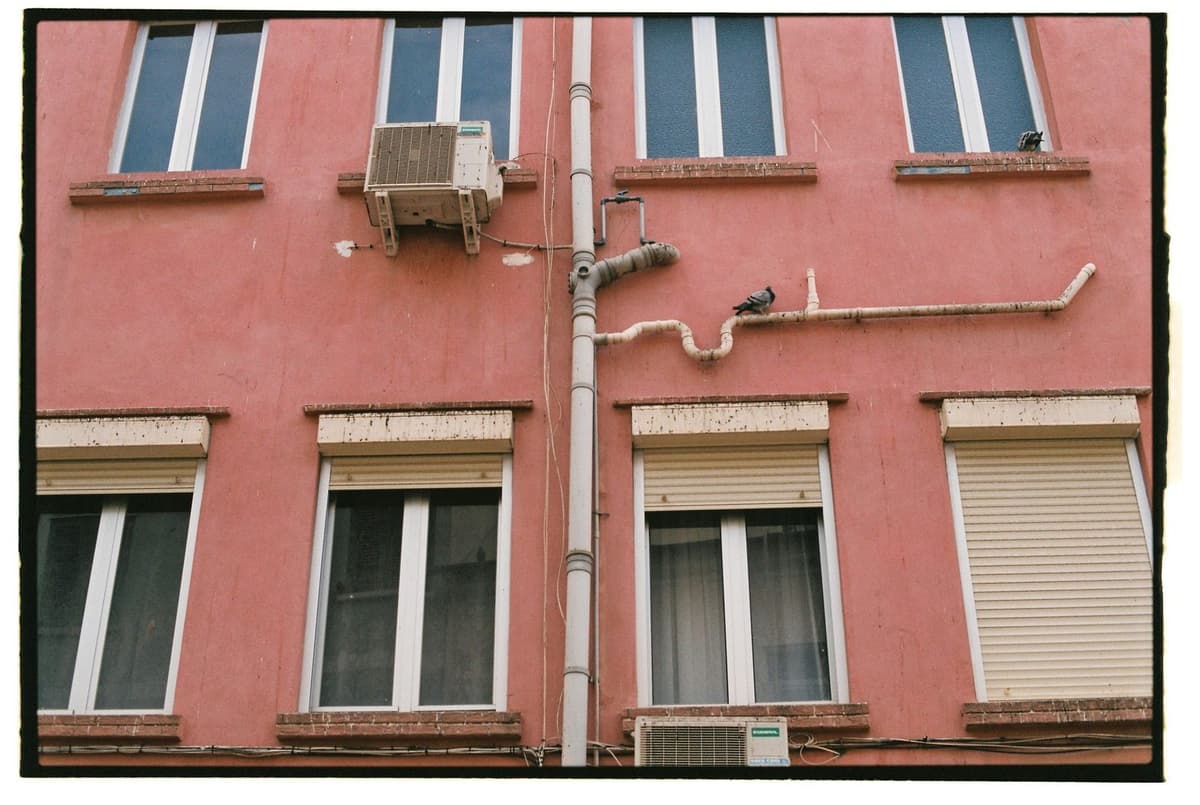
Installing air conditioning with an outdoor unit impacts the "common areas" (the facade, the balcony if considered as such, or the passage conduits). Consequently, the agreement of the general assembly of co-owners is mandatory.
How to formulate your request?
To maximize your chances of obtaining a favorable vote, do not settle for a vague request. Your file must be technical and reassuring:
- The installation plan: Where will the outdoor unit be placed? How will the refrigerant lines cross the wall?
- The equipment's technical sheet: Highlight the noise level (in dB) to reassure your neighbors below or next door.
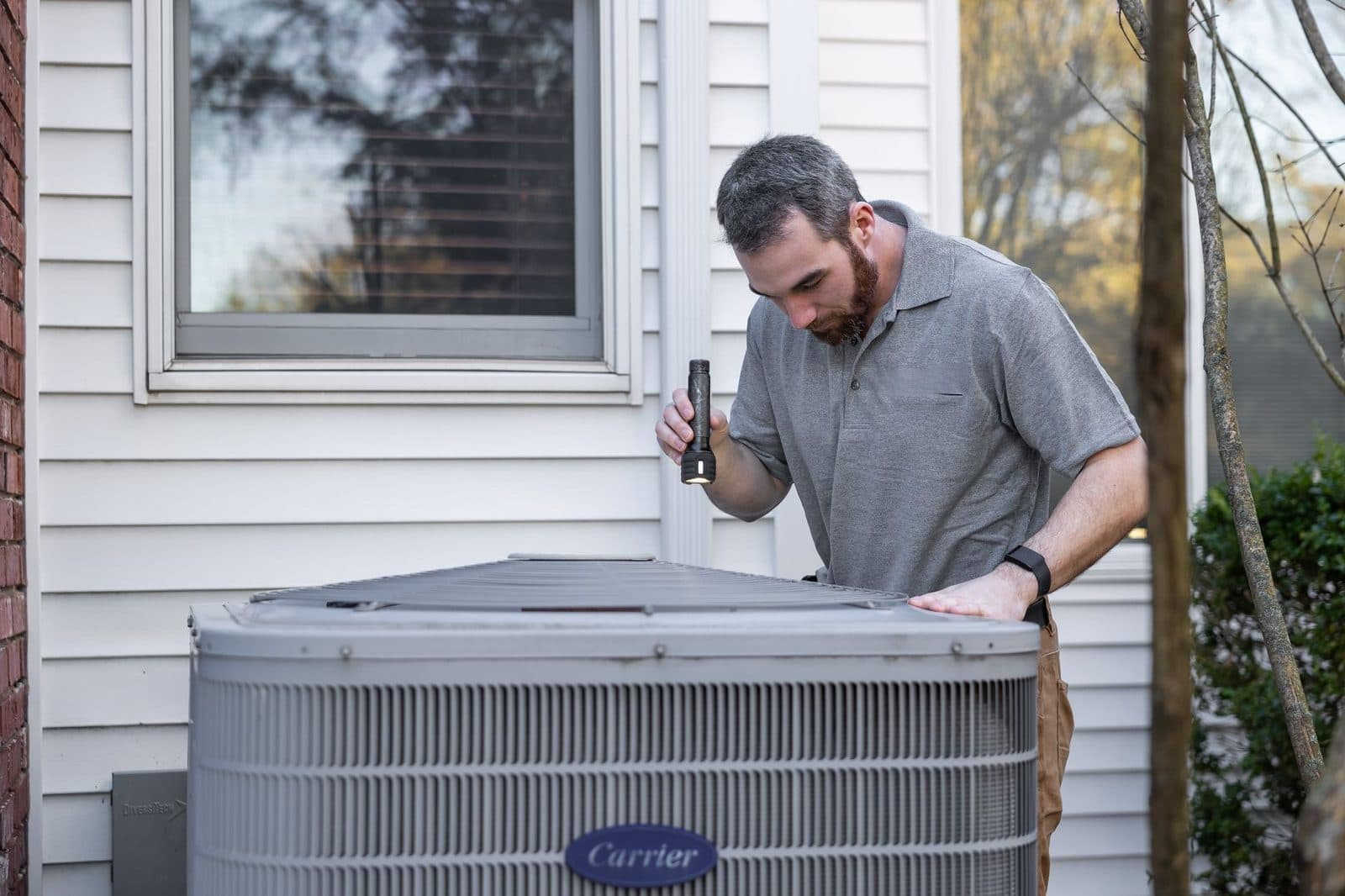
- Professional commitment: Specify that the work will be carried out by a refrigeration technician holding a capacity certificate for handling refrigerant fluids.
What quorum and majority?
Generally, the installation of air conditioning is considered a modification of the exterior appearance. The vote is then often conducted by simple majority (Article 25 of the 1967 decree), but this may vary depending on the nature of the work. If the installation requires drilling through a load-bearing wall or structurally modifying a common area, the required majority may be higher.
tip
To facilitate installation and limit vibrations transmitted to the building structure, the use of anti-vibration rubber mounts is strongly recommended. This is a technical detail that can sway the vote in your favor during the GA.
Friction Points: Noise and Aesthetics
Even with an agreement in principle, two problems systematically recur: noise and visuals.
Fighting noise pollution
The Public Health Code prohibits noise that, by its intensity, duration, or repetition, impairs the tranquility of the neighborhood. A poorly positioned outdoor unit can turn a neighbor's balcony into a permanent noise zone.
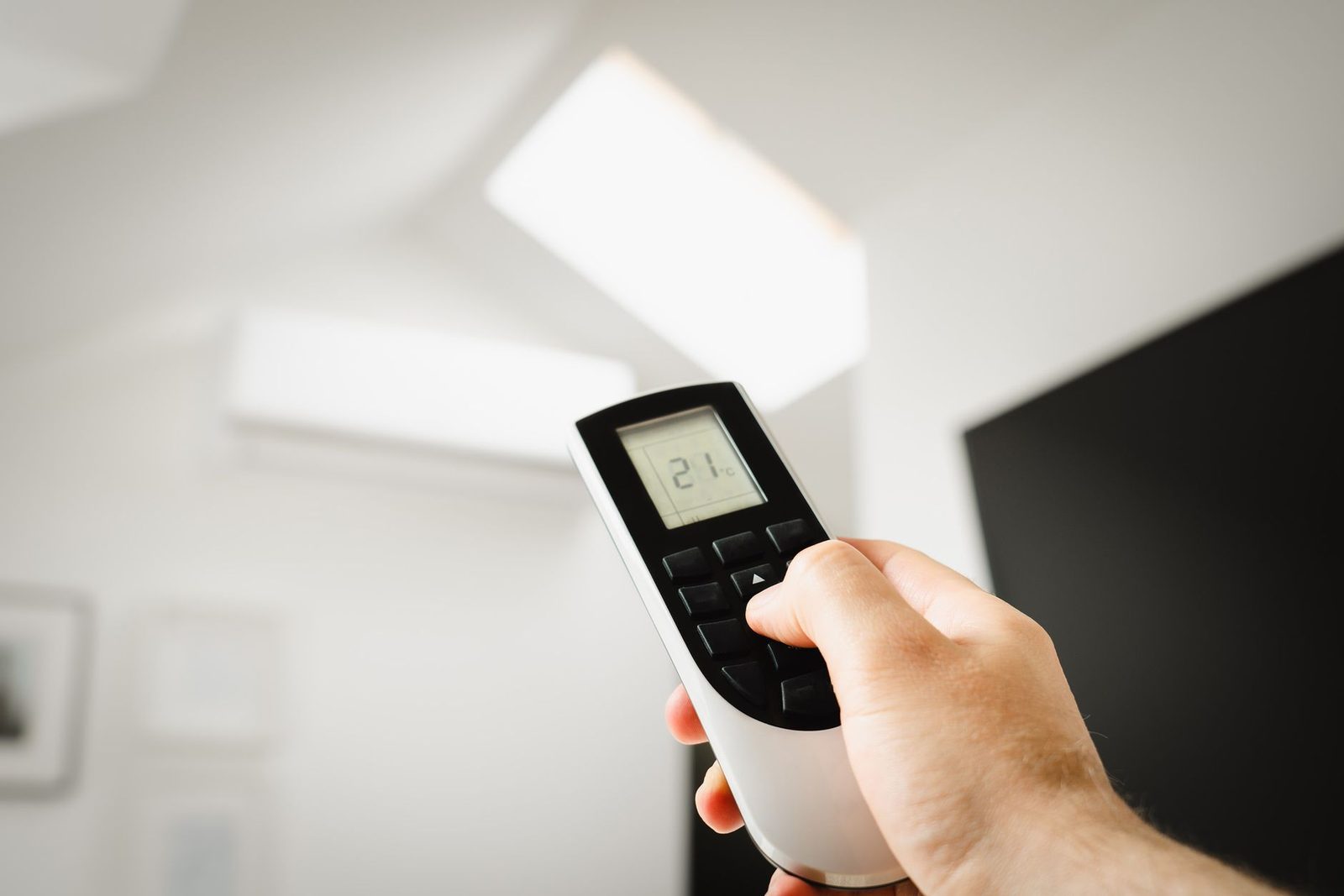
To remedy this, you can invest in an acoustic air conditioner cover. These structures mask the unit while allowing air to circulate, thus reducing the visual and sonic impact. To optimize indoor comfort without overloading the system, using a connected thermostat allows for precise temperature regulation and avoids overly frequent and noisy start/stop cycles.
Visual appearance and covers
Many co-ownerships require the unit to be invisible from the street. This is where the choice of balcony furniture becomes strategic. An opaque privacy screen or a ventilated casing are often the only accepted solutions.
Alternatives to Avoid Conflict
If the GA categorically refuses the installation of an outdoor unit, several options are available to cool your home without going to war with your neighbors.
Portable air conditioners
This is the simplest solution, although less efficient and noisier. The critical point remains the evacuation of hot air via a hose. To avoid leaving a window wide open, installing a window sealing kit is essential to maintain cooling efficiency.
Air conditioning without an outdoor unit (Monoblock)
There are monoblock systems that only require one or two facade penetrations for air intake and extraction, without a massive outdoor unit. Although more expensive and sometimes more complex to install, they are often better accepted by syndics because they do not distort the facade.
Passive optimization
Before switching to all-electric, consider thermal insulation. Installing blackout thermal curtains can drastically reduce solar heat gain, thereby decreasing the need for intensive air conditioning.
Summary of Procedures in 2026
| Step | Action | Required Document |
|---|---|---|
| 1 | Regulation analysis | Co-ownership regulations |
| 2 | Equipment choice | Technical sheet (dB, dimensions) |
| 3 | GA Request | Technical file + Installation plan |
| 4 | Installation | Invoice from a certified professional / Capacity certificate |
| 5 | Verification | Leakage test (if required by F-Gas law) |
Legal Risk: What happens in case of unauthorized installation?
Installing air conditioning without the syndic's agreement is a risky bet. A disgruntled neighbor can take the matter to court to request the restoration of the premises to their original state.
Case law is generally severe: if the installation modifies the exterior appearance or creates proven noise pollution, the judge almost systematically orders the removal of the device at the owner's expense. Even if you have paid for the installation and the equipment, you cannot invoke the investment to justify maintaining an illegal installation.
In conclusion, to succeed in your cooling project in a co-owned building, diplomacy is as important as technique. By proposing quiet equipment, a discreet installation, and scrupulously respecting voting procedures, you will transform a potentially conflictual project into a concrete improvement of your living comfort.
Need an air conditioning solution?