Installing Your Own Split Air Conditioning: Is It Legal in France in 2026?

L'équipe Proclimo
3 Sep 2026 - 04 min read
The appeal is immediate: a split air conditioning kit bought online, a few video tutorials, and the promise of saving several hundred euros on labor. With the widespread adoption of air-to-air heat pumps and the climate pressures of 2026, "Do It Yourself" (DIY) has seeped into the field of climate engineering. However, as soon as you touch the refrigeration circuit, it is no longer a matter of home improvement, but the manipulation of regulated chemical substances. In France, the question is not only whether you are capable of mounting a wall unit, but whether you have the legal right to commission the machine. Here is the full breakdown of the legality and risks of autonomous installation.
The Legal Framework: Why is "DIY" Prohibited?
To understand why you cannot legally connect your air conditioner yourself, you have to look at what is hidden inside the copper pipes: the refrigerant fluid. Whether it is R-32, now the standard, or older versions, these gases are subject to extremely strict European and national regulations (the F-Gas regulation).
The Certificate of Competence: The Mandatory Key
In France, anyone handling refrigerant fluids must hold a certificate of competence (attestation de capacité). This document certifies that the technician has been trained in gas handling, vacuum pumping, and leak detection.
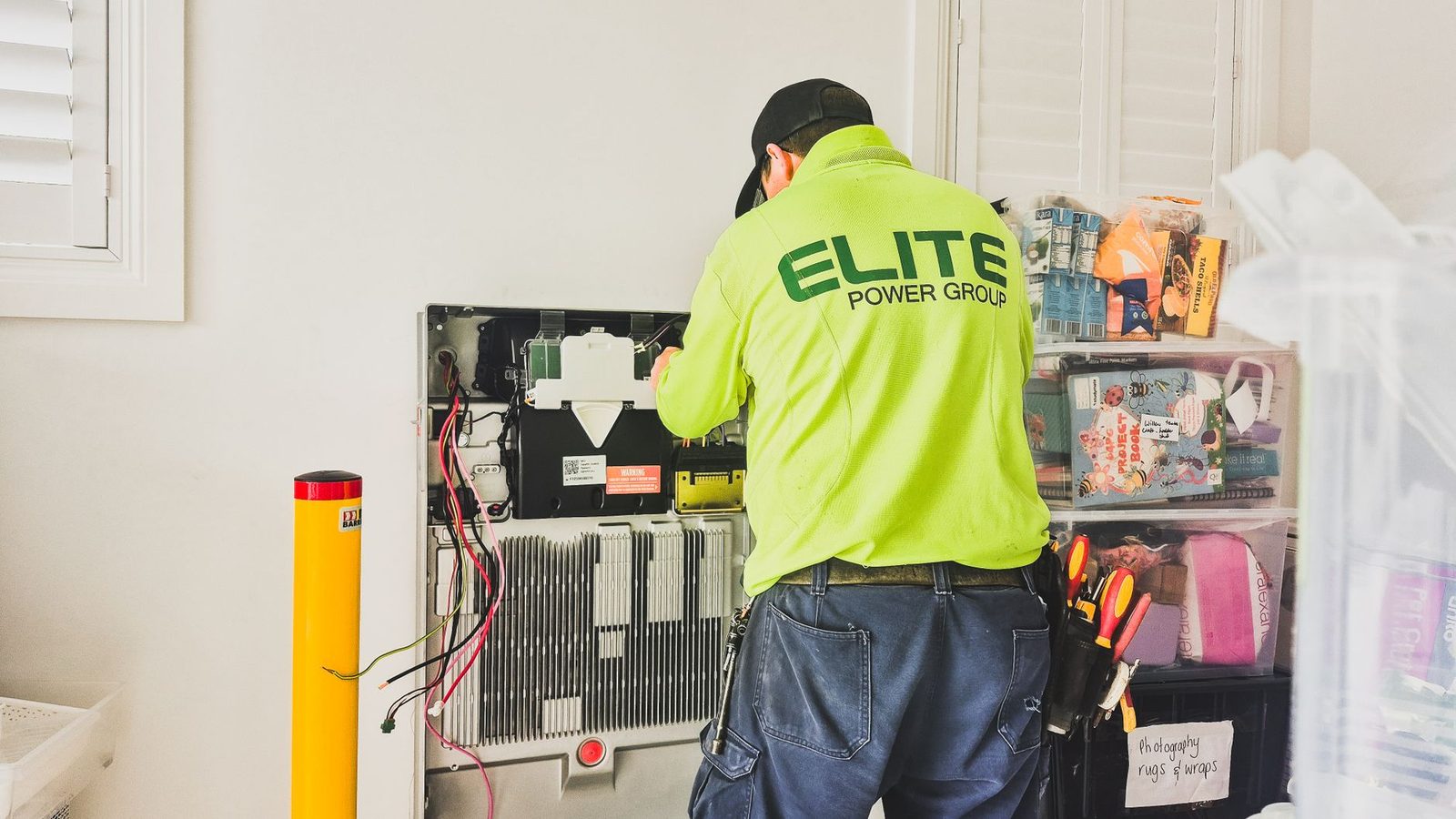
Installing a split system generally happens in two stages: the physical installation (fixing units, drilling the wall) and the commissioning (connecting the refrigeration lines and opening the gas valves). While the physical installation can be done by a private individual, commissioning is strictly reserved for certified professionals.
Legal and Financial Risks
Installing your system without a professional exposes you to three major risks:
- Voiding the manufacturer's warranty: This is the most immediate point. No manufacturer (Daikin, Mitsubishi, Atlantic, etc.) will cover a compressor that has burned out due to poor commissioning. The slightest doubt about the installation's origin and the warranty is gone.
- Insurance claim denial: In the event of water damage (poorly drained condensation) or an electrical fire, your insurer will request an invoice from a certified installer. Without this, you are considered responsible for a non-compliant installation.
- Administrative penalties: Although inspections of private homes are rare, the illegal manipulation of refrigerant fluids is an environmental offense. In the event of a reported massive leak or an accident, the homeowner's criminal liability may be engaged.
Technical Dangers: What the Tutorials Don't Tell You
The problem with a "home-made" installation is not in screwing the supports, but in the invisible. A refrigeration circuit must be perfectly airtight and free of all impurities.
Vacuum Pumping: The Crucial Step
Before opening the gas valves, a professional uses a vacuum pump to extract the air and moisture contained in the copper lines. If you skip this step, residual moisture mixes with the fluid and the compressor oil, creating acids that eat the motor from the inside. For those who still wish to prepare their site, using a magnetic spirit level ensures that the indoor unit is perfectly straight to avoid drainage problems.
Leak Risk and Ecological Impact
A poor weld or a loose fitting leads to a gas leak. Not only will your air conditioner stop cooling, but you will release gases into the atmosphere with a global warming potential (GWP) thousands of times higher than that of CO2. R-32 is less harmful than R-410A, but remains a major pollutant.
Risk of Explosion and Burns
Some newer fluids, such as R-290 (propane), are flammable. Handling these gases without the proper safety equipment and training can turn a simple handling error into a serious domestic accident. Even for classic models, a sudden rupture of a pressurized line can cause instant cryogenic burns to the skin.
The Compromise: Partial Installation
If you want to reduce the bill, it is possible to agree on a "partial installation" with an HVAC technician. This is a common practice but requires absolute rigor.
What you CAN do (with caution)
- Drilling the wall: Making the hole for the lines (respecting a downward slope toward the outside for condensation).
- Fixing the supports: Installing the wall plate for the indoor unit and the floor or wall support for the outdoor unit.
- Running the conduits: Installing protective trunking for an aesthetic finish.
To protect your walls during these steps, using a robust protective tarp is essential to avoid getting concrete dust throughout the living room.
What you MUST NOT do
- Connecting the nuts: Over-tightening crushes the copper; under-tightening creates a leak. Only a precise torque, verified by a professional, guarantees airtightness.
- Opening the valves: This is the final act that triggers the warranty and legal compliance.
- Handling the power electrical circuit: The connection to the electrical panel must comply with the NF C 15-100 standard. The use of a digital voltage tester is indispensable here to avoid any short circuit.
Comparison: DIY vs. Professional Installation
| Criterion | "Home-made" Installation | Professional Installation |
|---|---|---|
| Initial Cost | Very low | Moderate to high |
| Legality | Non-compliant (F-Gas) | Compliant |
| Manufacturer Warranty | Voided | Preserved |
| Performance | Random (moisture risk) | Optimal (vacuum performed) |
| Safety | Leak/Fire risks | Secured |
| Home Insurance | Coverage compromised | Full coverage |
How to Choose Your Installer to Avoid Traps?
Facing the shortage of HVAC technicians in 2026, some offer abnormally low rates or bypass commissioning rules. To protect yourself, systematically demand three documents before work begins:
- The certificate of competence to handle refrigerant fluids: This is the legal proof that they are allowed to touch the gas.
- RGE Certification (Reconnu Garant de l'Environnement): Essential if you wish to benefit from financial aid or reduced VAT rates.
- Professional Liability Insurance (RC Pro): This protects you in case of damage caused to your home during the works.
To keep your installation in optimal condition after the pro's visit, purchasing an air filter cleaning kit ensures perfect hygiene without waiting for the annual maintenance.
Conclusion: Is the Saving Worth the Risk?
Installing your air conditioning yourself may seem like a victory over costs, but it is a risky bet. Between the loss of warranty, the environmental risk, and technical insecurity, the financial gain is quickly canceled out by the slightest major breakdown.
Air conditioning is not a simple household appliance like a microwave; it is a complex thermodynamic system. In 2026, with ever-stricter environmental regulations, calling a professional is no longer an option—it is a necessity to guarantee the longevity of your investment and the safety of your home.
Need an air conditioning solution?