2026 CEE Scheme: How to Maximize Your Grants for Heat Pumps and Air Conditioning?

L'équipe Proclimo
11 Aug 2026 - 04 min read
The year 2026 marks a turning point in France's energy renovation strategy. While taxation has eased with the reduction of VAT to 5.5% for air-to-air heat pumps (PAC), the second major financial lever, the Energy Savings Certificates (CEE) scheme, is also undergoing profound changes.
For homeowners, understanding how CEEs work is no longer an option but a necessity to optimize their budget. This mechanism, which requires energy suppliers to finance the energy transition of households, is not just a simple grant: it is a complex tool where amounts vary based on income, equipment performance, and the nature of the work.
How CEE Works in 2026: What Has Changed
The fundamental principle of CEE remains unchanged: the "obligated parties" (EDF, Engie, TotalEnergies, etc.) must prove that they have achieved energy savings. To do this, they provide grants to individuals who install high-performance equipment, such as heat pumps.
However, since the beginning of 2026, payment terms and eligibility criteria have been refined to better target the most energy-intensive homes and encourage the installation of low-environmental-impact refrigerants.
Simplification of Administrative Procedures
One of the major advancements in 2026 is the streamlining of procedures. Previously criticized for its bureaucratic heaviness, the grant application process has been digitized and interconnected with other aid programs. The goal is to reduce the delay between the completion of the work and the actual receipt of funds—a critical point for households without significant cash reserves.
The Impact of Refrigerant Choice on the Grant Amount
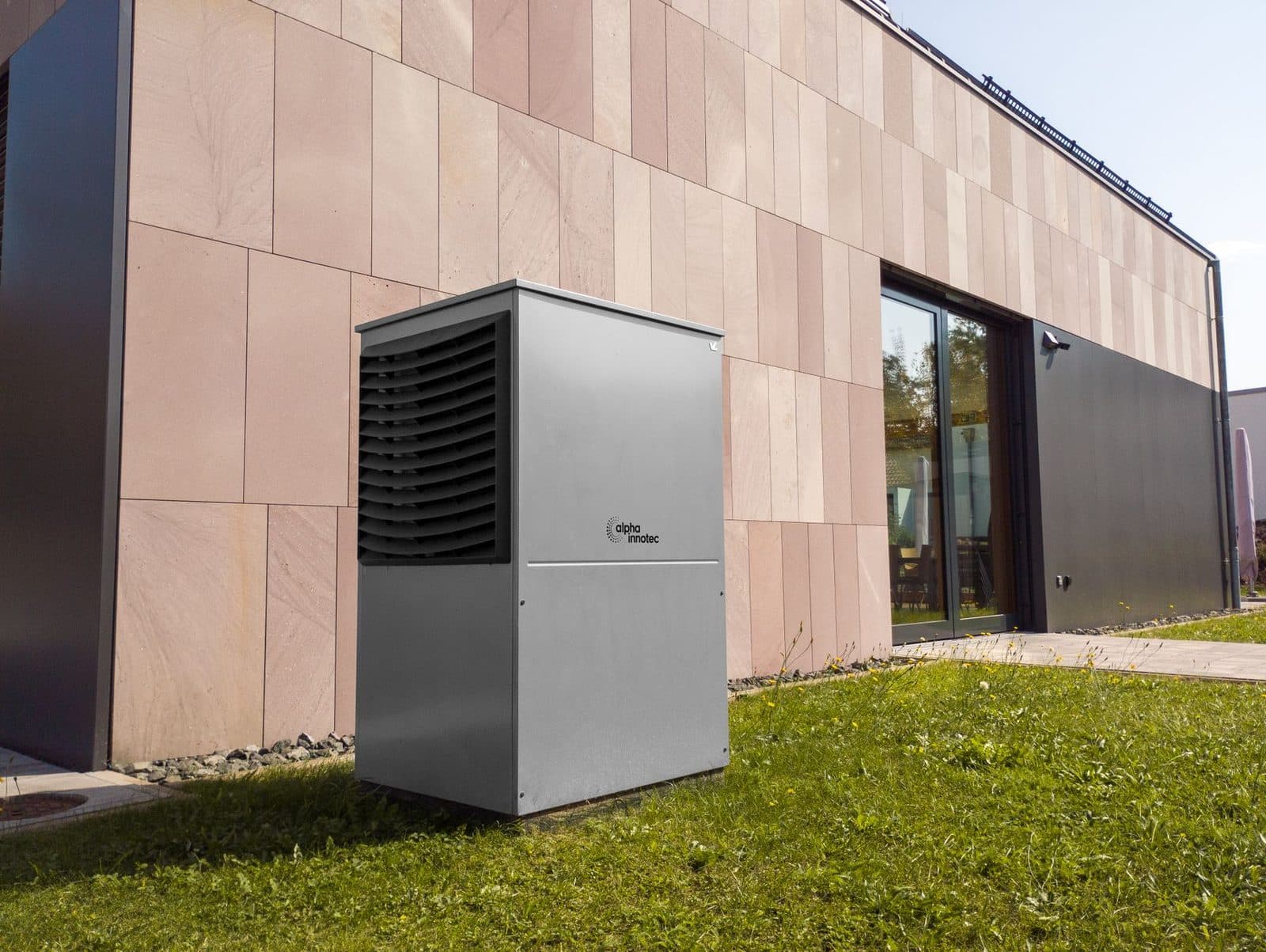
In 2026, the CEE amount is no longer uniform for all heat pumps. We are seeing a modulation of grants based on the fluid used. Installations using natural fluids or very low GWP (Global Warming Potential) fluids, such as R-290 (propane), now benefit from financial bonuses compared to conventional systems. This is a way for the State and regulatory bodies to accelerate the phase-out of the most polluting HFCs.

Which Grants for Which Installation?
It is crucial to distinguish between types of heat pumps, as CEE amounts differ radically depending on the use and technology.
Air-to-Air Heat Pump (Reversible Air Conditioning)
Long excluded from the most generous aid because it was perceived as a simple summer comfort tool, the air-to-air heat pump is now better integrated into the scheme. Although grants are generally lower than those for air-to-water systems, they become very attractive when combined with the 5.5% VAT.
The amount will mainly depend on:
- The energy performance of the device (SCOP).
- Household income (Iris scales).
- The geographical zone of the home.
Air-to-Water Heat Pump and Geothermal
These systems, which heat the water in a radiator circuit or underfloor heating, remain the "champions" of CEE. In 2026, grants for replacing an oil or gas boiler with an air-to-water heat pump are reaching record highs, especially if the installation is coupled with smart regulation.
| Equipment Type | 2026 CEE Eligibility | Income Impact | Grant Level |
|---|---|---|---|
| Air-to-Air Heat Pump | Yes | Moderate | Medium |
| Air-to-Water Heat Pump | Yes | High | High |
| Geothermal | Yes | High | Very High |
| Air Conditioning only | No | N/A | None |
Strategies to Maximize Your Financial Aid
To obtain the maximum amount, it is not enough to choose the right device; you must orchestrate your financing request with precision.
Combining Aid: The Financial "Layer Cake"
A classic mistake is thinking you must choose one aid over another. In reality, the 2026 scheme allows for strategic stacking:
- Reduced VAT (5.5%): Applied immediately to the invoice.
- CEE Grant: Paid by the energy supplier or a polluter.
- MaPrimeRénov': Aid from Anah (depending on income and energy gain).
Warning: To combine these aids, the intervention of an RGE (Reconnu Garant de l'Environnement) certified professional is mandatory. Without this certification, no CEE grant will be awarded, and the VAT could be requalified at the standard 20% rate.
The Trap of Work "Bundles"
The CEE scheme now encourages "bundles." This means that if you install a heat pump while also insulating your attic or changing windows, the total amount of grants can be boosted. The idea is to fight "thermal sieves" by treating the building envelope before or at the same time as the heating system.
Points of Vigilance to Avoid Application Refusal
The CEE market is unfortunately prone to abuse. Many households complain about promised grants that were never paid. Here is how to protect yourself.
Beware of "100% Free" Offers
Be extremely vigilant regarding companies promising a free installation thanks to CEE. The total cost of an air-to-air or air-to-water heat pump almost always exceeds the sum of available aid. A "free" offer often hides an artificial price hike in the installation cost or abusive processing fees.
Strict Application Chronology
This is the technical point where the majority of applications fail. The CEE grant request must imperatively be submitted BEFORE signing the quote and starting the work.
If you sign the purchase order before submitting your grant application file to the CEE body, you lose all rights to the aid. This rule is applied with absolute rigor by control bodies.
Verification of Supporting Documents
For the payment to be triggered, you will need to provide:
- The detailed final invoice mentioning the performance of the device.
- The refrigeration technician's capacity certificate (mandatory for handling fluids).
- The valid RGE certificate of the installation company.
- Proof of income (tax notice).
Summary for the Homeowner in 2026
Investing in a heat pump in 2026 is financially relevant but requires administrative rigor. The shift to 5.5% VAT reduces the initial investment, while CEEs help amortize the cost over the medium term.
Expert Tip: Do not rely on a single source of funding. Compare offers from several CEE providers, because even if basic scales are set, some players offer commercial bonuses to attract customers.
In summary, to maximize your gains:
- Ensure your installer is RGE certified.
- Opt for low-impact fluids (such as R-290) to target bonuses.
- Submit your grant requests before any contractual commitment.
- Couple your installation with other renovation works to create a "bundle."
By following this framework, you transform a comfort investment into a property asset that increases the value of your home while sustainably reducing your energy bills.
Need an air conditioning solution?