Heatwave 2026: air conditioning weighs the equivalent of 10 nuclear reactors on the French power grid

The Proclimo Team
16 Jul 2026 - 07 min read
The late June 2026 heatwave broke the temperature record set in the summer of 2003. It also revealed a phenomenon little known to the general public: air conditioning now weighs on the French electricity grid to the tune of about ten nuclear reactors. According to data published by RTE and analysed by Selectra, air conditioning added 10 to 12 GW to the peak load, pushing the peak from 47 GW on 12 June to 57 GW on 22 June 2026, at 7 pm. A figure to be compared with the 60 GW of the absolute summer record set on 1 July 2025.
Behind these figures lies a reality: every additional degree drives up consumption by 0.7 to 1 GW in summer — three times less than in winter, but enough to weaken a system already strained by the heat. Because the heatwave strikes on both sides: it sends demand soaring (air conditioning) and it reduces supply (nuclear constrained by river water temperatures, solar less efficient above 25 °C, wind power reduced by lack of wind). Understanding this double effect is also understanding how everyone can act — on their bill and on the grid.
What happened on the grid in June 2026
On 22 June 2026, at 7 pm, France consumed 57 GW of electricity at peak. Of this consumption, 10 to 12 GW was directly attributable to air conditioning — the equivalent of ten nuclear reactors of 1.45 GW each. To absorb the demand, RTE had to restart gas-fired plants, which ramped up from 0.6 GW in normal conditions to 4 GW at the evening peak. The direct consequence: the French electricity mix, usually very low-carbon, became temporarily more carbon-intensive, eroding the climate benefit of air conditioning compared with other cooling methods.
At the same time, three nuclear reactors (Golfech, Nogent-sur-Seine and Bugey) were shut down to comply with environmental thresholds for river water temperatures. In total, 6.4 GW of nuclear capacity was unavailable on 27 June — a record since 2015. RTE also reduced exports from 12 to 7 GW to keep electricity within the country.
A local incident illustrated the fragility of the system: on 23 June, the very day after RTE's reassuring statements, an electrical substation in southern Finistère failed under the heat, cutting power to up to 100,000 Breton households. A reminder that national robustness does not shield against local failures.
info
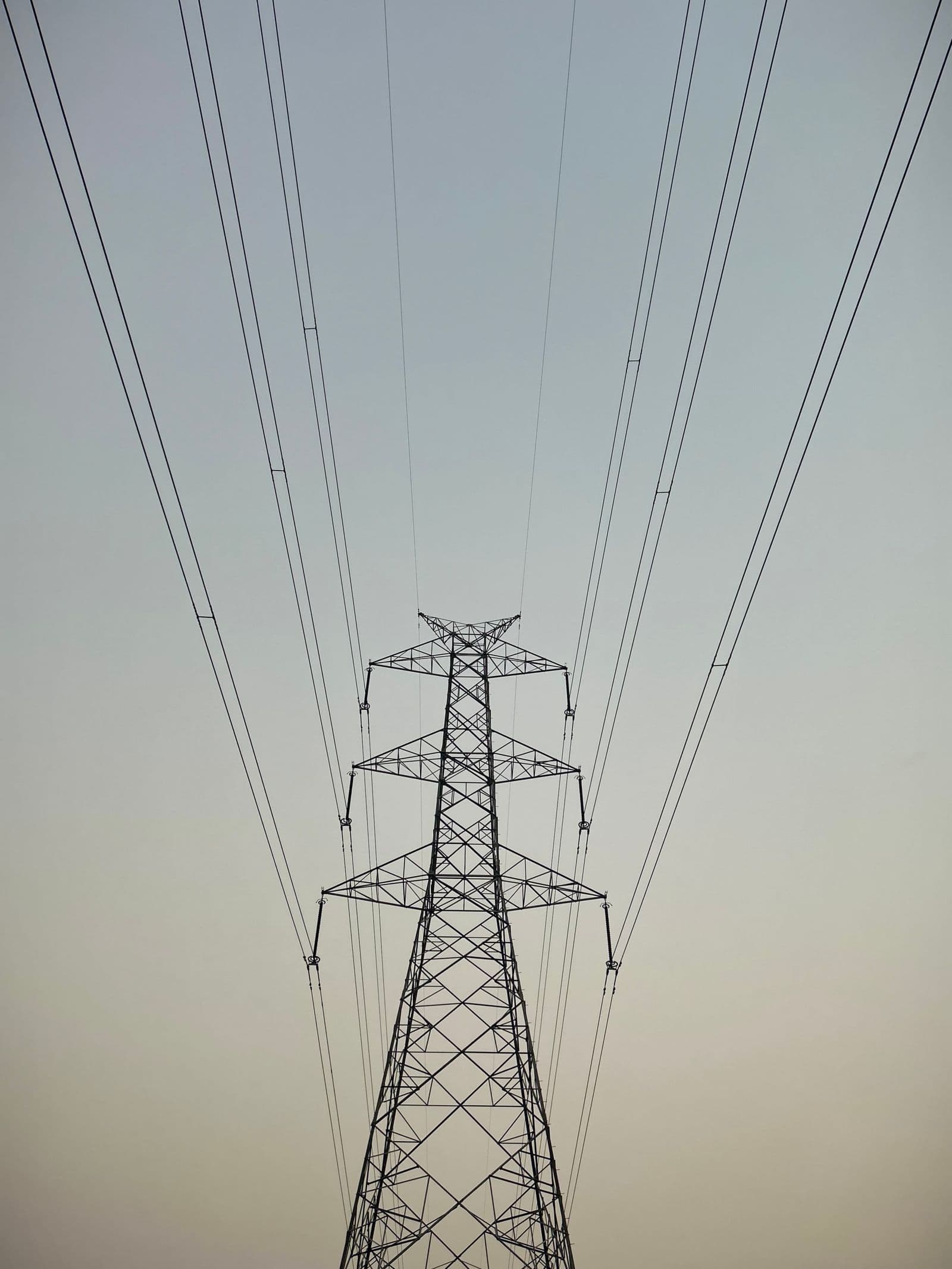
Heatwaves also reduce the grid's capacity to transport electricity: overhead aluminium lines lose ampacity (permissible current) during periods of high heat, as they can no longer dissipate the accumulated thermal energy. More than 20 % of lines are over 70 years old, and a third are particularly exposed. RTE plans to renew 23,500 km of lines with conductors better suited to high temperatures.
Why air conditioning weighs so heavily
Several factors converge to explain this spectacular overconsumption:
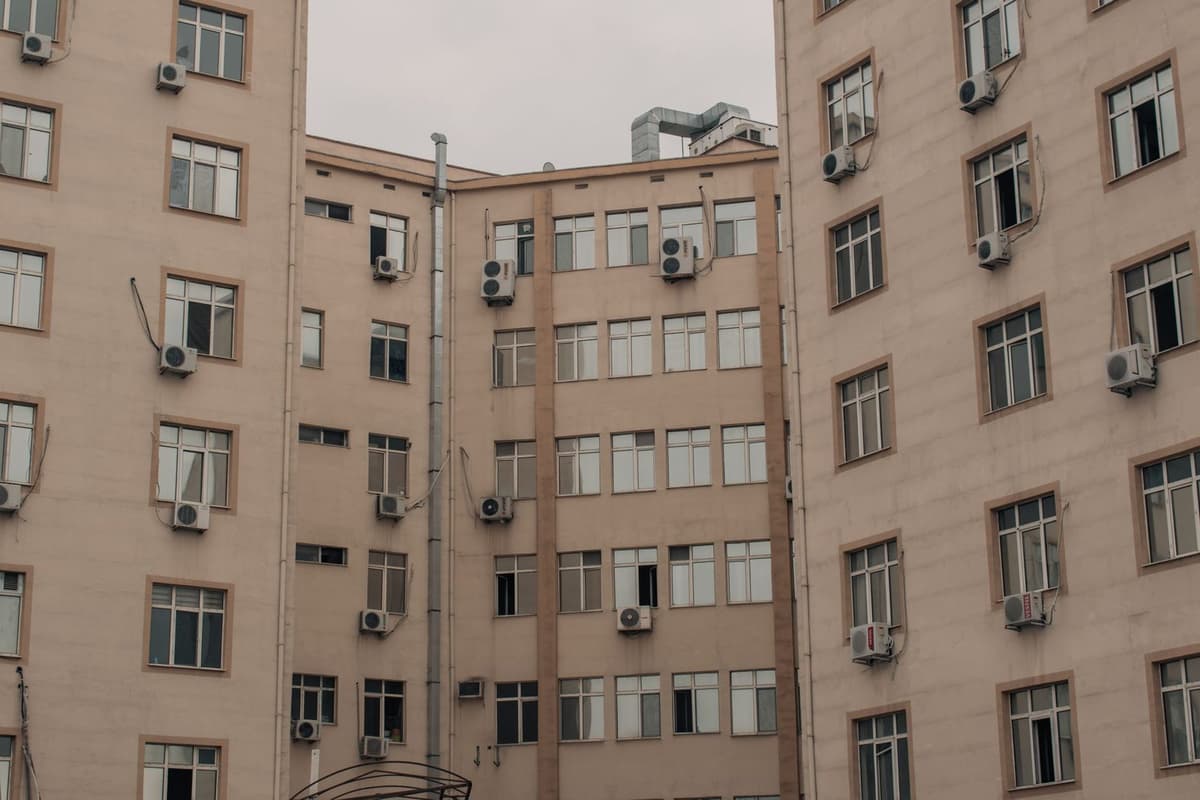
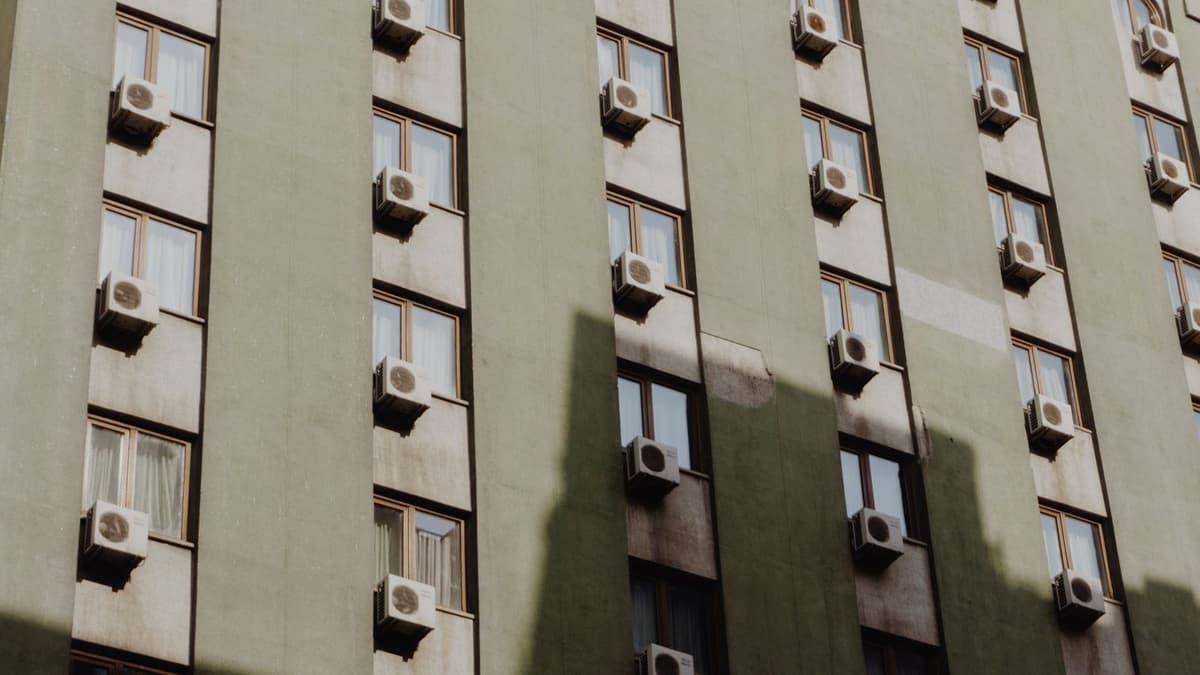
- Rising equipment rates: with repeated heatwaves, the installed base of fixed and portable air conditioners has grown sharply in France. "Cooling-only" units are the most energy-hungry and receive no public support, unlike reversible air conditioning (air-to-air heat pump) which qualifies for the CEE bonus.
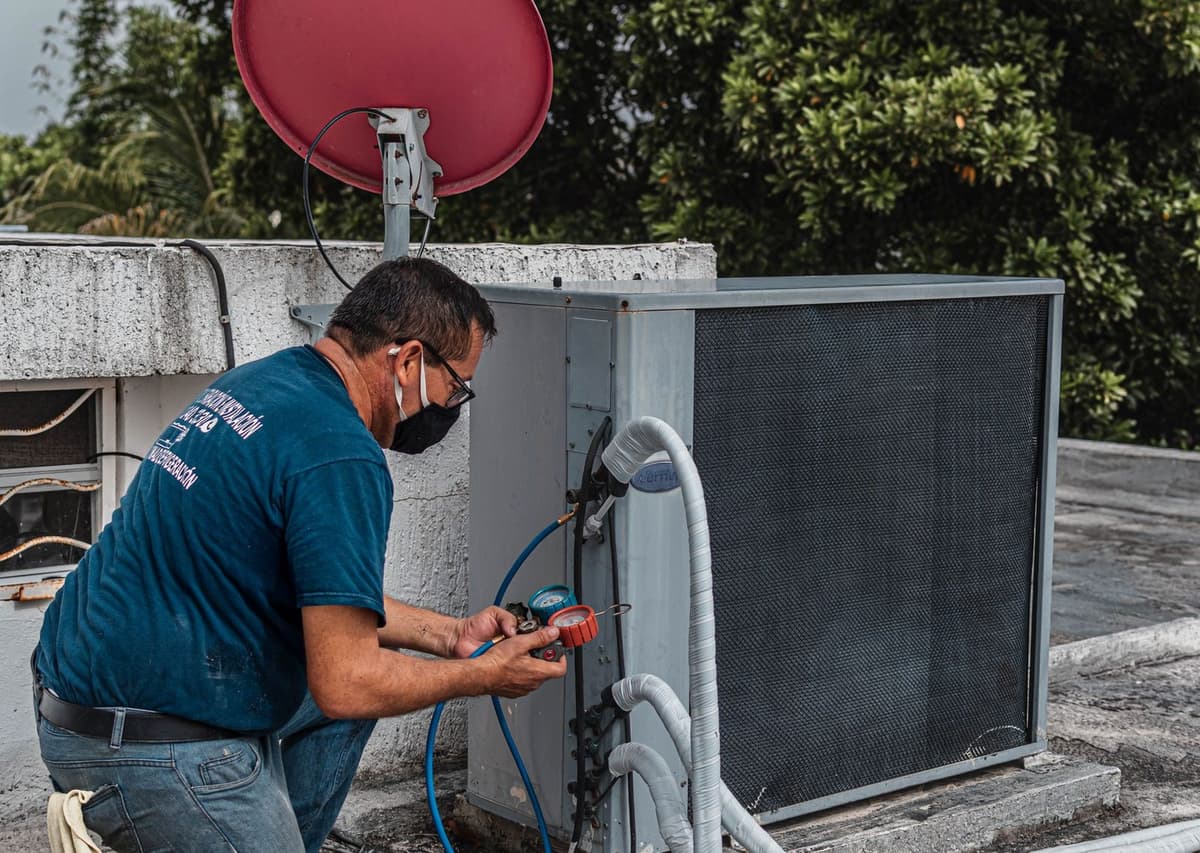
- Poor sizing: an undersized air conditioner runs continuously at full power in the middle of a heatwave without ever reaching the set temperature. Hence the importance of an installation carried out by a certified refrigeration technician, who calculates the actual thermal load of the home.
- Lack of maintenance: clogged filters and a dirty condenser can cost 10 to 15 % of performance. The air conditioner then consumes more for the same result. An annual maintenance service is the best lever to contain summer consumption.
- Incorrect settings: each additional degree of cooling increases consumption by 5 to 8 %. Aim for 26 to 27 °C and a maximum gap of 7 to 8 °C with the outside, as detailed in our guide on how to set your air conditioning properly during a heatwave.
The "solar bell", the window to use
Faced with this phenomenon, Selectra and RTE recommend a counter-intuitive habit: consume during the day, between 9 am and 6 pm, during what experts call the "solar bell". This is the moment when solar generation is at its peak, when electricity is cleaner and often cheaper on wholesale markets. The usual "spread out your consumption" logic reverses in summer: it is in the middle of the afternoon that the mix is greenest.
This recommendation takes on its full meaning with the new summer 2026 off-peak hours introduced by Enedis. Part of the afternoon — historically billed at peak rates — now shifts to off-peak hours for households equipped with a Linky meter. This is an opportunity to seize for those using reversible air conditioning: running the unit in the afternoon, when the sun is at its zenith, both relieves the grid at the evening peak and takes advantage of the reduced tariff.
tip
Beware of the perverse effect: off-peak hours during the day are not an invitation to air condition more. The saving comes from shifting consumption, not increasing it. Before running the air conditioner, think about passive solutions — closed shutters during hot hours, night-time ventilation, and a properly maintained VMC — which reduce overheating without consuming a single kilowatt-hour.
The key role of equipment performance
In the long term, the best response to summer overconsumption is to install genuinely efficient equipment. This is precisely the goal of the new 2026 energy label: steering the market towards reversible air conditioners with high SEER (seasonal cooling efficiency) and SCOP (seasonal heating efficiency) ratings.
- A unit with a SEER ≥ 6.0 (A++ class) consumes 15 to 20 % less than an A+ unit for equivalent service.
- A properly sized reversible air-to-air heat pump consumes less than a "cooling-only" air conditioner and also heats in winter, making it the most profitable investment over the year. See our reversible air-to-air heat pump guide.
- The reduced 5.5 % VAT on reversible air conditioning, part of the government's "Endurance" plan, further strengthens the appeal of this solution.
Businesses and commercial premises, the leading source of overconsumption
While households are increasingly equipped, the commercial sector remains the largest consumer of air conditioning in summer. Offices, shops, restaurants and healthcare facilities account for a major share of the 10 to 12 GW observed. Decree n° 2025-482 of 27 May 2025 now requires employers to assess heat risk in the DUERP and implement enhanced preventive measures (cool water, ventilation, adjusted schedules), with penalties of up to €10,000 per employee for failure to meet the safety obligation.
On the energy side, the Energy Code requires that air conditioning only be switched on when the indoor temperature exceeds 26 °C — a rule too often ignored. For businesses, an annual maintenance contract and programmable controls are the two most effective levers to reduce both the bill and the pressure on the grid. See our dedicated article on office and business air conditioning.
How much does air conditioning electricity cost during a heatwave?
For a household with an average reversible air conditioner (SEER 6.0) used 10 hours a day for 10 days of heatwave, the extra consumption amounts to about €20 to €30 per heatwave. An undersized or poorly maintained unit can easily double this amount, and an entry-level "cooling-only" air conditioner consumes 30 to 40 % more than an equivalent air-to-air heat pump.
Over the summer, in Île-de-France, the air conditioning bill can reach €80 to €150 for an average household depending on insulation and usage. That is without counting the cost of emergency repairs in the event of a breakdown in the middle of a heatwave — see our air conditioning repair page. By comparison, an annual maintenance service costs far less and keeps consumption in the lower range. Our article on the price of a maintenance service in 2026 details the rates.
5 habits to relieve the grid and lighten your bill
- Set the temperature to 26-27 °C and do not exceed a 7 to 8 °C gap with the outside. Every degree lower pushes consumption up by 5 to 8 %.
- Prefer the 9 am-6 pm window to run the air conditioner, especially if you benefit from the new summer off-peak hours. Avoid the 7 pm peak.
- Close shutters and windows during the day, open them at night. A well-maintained VMC complements this passive approach.
- Have your air conditioner serviced every year: clean filters, checked refrigerant circuit, clear outdoor unit. That is 10 to 15 % less consumption.
- Replace an ageing "cooling-only" air conditioner with a reversible air-to-air heat pump: you will consume less in summer and heat efficiently in winter, while benefiting from grants and 5.5 % VAT.
The grid will adapt — but so must usage
RTE plans €24 billion of investment by 2040 specifically dedicated to adapting the grid to heatwaves: line renewal, modernisation of electrical substations, smart grids to manage demand. But infrastructure alone will not suffice: usage sobriety and equipment performance remain the primary resources, well ahead of generation expansion.
This is precisely Proclimo's raison d'être: helping households, property managers and businesses to use their air conditioning intelligently, with efficient equipment, rigorous maintenance and properly sized installations. It is good for the bill, good for the grid, and good for the climate.
Frequently asked questions
Will air conditioning cause power cuts in summer? Not in the short term, according to RTE: the French grid held up in June 2026. But the margin is shrinking, and local incidents remain possible, as the Breton outage of 23 June showed. Usage sobriety is the first remedy.
Should I switch off my air conditioner at the 7 pm peak? Ideally, yes: this is the most tense moment for the grid. If your home is already cool, switching off the air conditioner one hour before the peak is often enough. Shift consumption towards the solar bell (9 am-6 pm) if your tariff allows it.
Does an air-to-air heat pump consume less than a conventional air conditioner? At equal capacity, a reversible A++ air-to-air heat pump consumes 15 to 30 % less than an entry-level "cooling-only" air conditioner, thanks to a better SEER and finer control. It is also the only type of equipment that qualifies for grants.
Does resorting to gas-fired plants cancel out the climate benefit of air conditioning? Occasionally, yes: when gas takes over at the evening peak, the French electricity mix becomes temporarily more carbon-intensive. This is precisely why shifting consumption towards the solar bell is doubly virtuous — for the bill and for the climate.
Act with Proclimo
You want to optimise your installation to get through the heatwave without overloading the grid or your budget? Contact Proclimo for a personalised assessment, or discover our air conditioning installation, maintenance and cleaning and emergency repair services in Île-de-France. You can also book a service online or explore our maintenance services for households as well as for businesses.
Need an air conditioning solution?